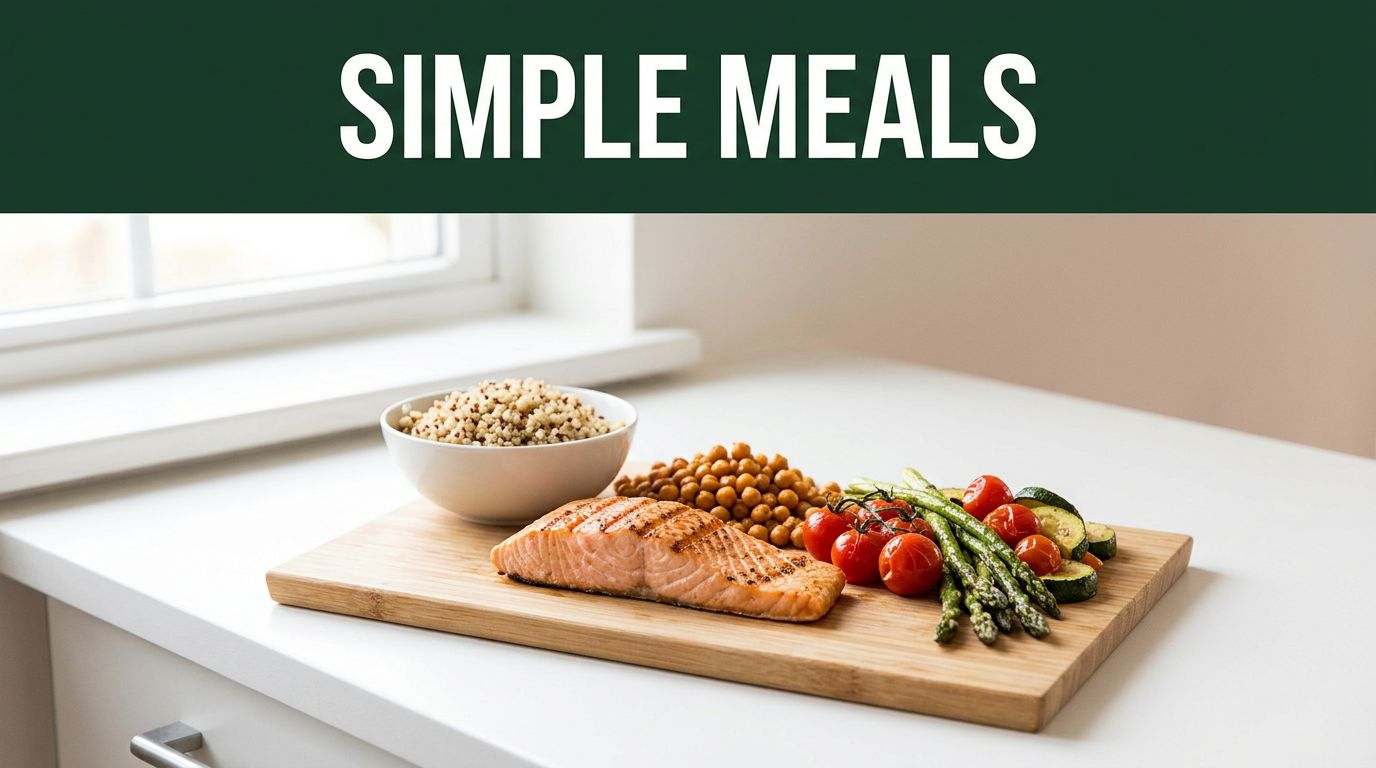
Takeout can taste great, then leave you tired and bloated by the time you hit the couch. If you’ve been trying to eat better but keep running out of time, simple healthy meals at home can fix that fast. In 2026, more people are leaning into protein-forward plates and fiber focus for gut health, and home cooking is rising because it helps you stay fuller longer (without giving up flavor).
When you cook at home, you waste less, spend less, and you can feel the energy shift the next day because meals are built with quality ingredients. This guide walks you through stocking the basics, balancing your plate, using easy recipes, and adding pro tips so it all feels effortless. Next, start with a pantry plan that makes healthy cooking automatic.
Stock Your Kitchen with Go-To Ingredients for Easy Wins
A stocked kitchen turns “I don’t know what to make” into “I can throw something together.” When your go-to ingredients already have protein and fiber built in, meals feel lighter, more filling, and way less stressful. Instead of shopping every day, you shop once, then rotate a few repeatable ideas.
The goal is simple: protein-forward staples for energy, fiber-forward staples for fullness, and flavor boosters so you actually want to eat what you cook. Think of your pantry like a toolbox. The right tools make every project faster, and the results taste better.
Also, these 2026 trends are pushing people toward foods that help them feel steady after meals. That means more protein at breakfast and lunch, more fiber at every stop, and fewer “accidental” low-nutrition snacks. If you keep these categories on hand, you’ll feel the difference within days.

Proteins That Keep You Powered Without the Fuss
Protein helps you stay satisfied, and it also supports muscle and steady energy. When your meals include a real protein base, you stop “grazing” later because your body feels fed. In practice, that means keeping a few high-quality options ready to cook, with backup proteins that only take minutes.
Here are easy proteins worth buying and keeping:
- Canned tuna or salmon: These bring quick omega-3 fats plus solid protein. They’re great for no-cook meals like tuna salad bowls or warm tuna melts. For serving guidance, see fish and omega-3 benefits from the American Heart Association.
- Eggs: Eggs are the most versatile “shortcut protein.” You can scramble them, fry them, or turn them into egg bites with whatever veggies you have.
- Ground turkey or chicken: They cook fast and stretch across chili, tacos, meat sauce, and sheet-pan dinners.
- Duck or quail (if accessible): These are richer, smaller-batch proteins. They work well when you want variety and don’t mind spending a little more.
Now, let’s talk speed. If you want easy wins, use methods that don’t require babysitting.
- Air-fry salmon or chicken cutlets (or cook frozen, then season).
- Pan-sear ground turkey into crumbles for bowls and wraps.
- Scramble eggs with spinach or mushrooms for a 10-minute meal.
If you want a “protein-forward” habit that sticks, build your plate around protein first. Then add fiber foods (beans, oats, or whole grains) and a big handful of veggies. That order keeps the meal balanced without overthinking it.
Fiber Boosters to Fill You Up and Support Your Gut
Fiber does two jobs at once: it helps you feel full and it supports gut health. When you eat fiber regularly, digestion tends to feel smoother, and hunger becomes more predictable. In 2026, you’ll see people “fiber-maxxing,” which basically means choosing foods that add fiber without turning meals into sad salads.
Start with fiber staples you can use in many meals. Storage matters too, because convenience wins.
Best fiber boosters to stock:
- Beans and lentils (canned or dry): They’re a protein and fiber two-for-one. Use them in soups, salads, and grain bowls.
- Oats: They make breakfast easy and keep you full longer. Plus, oats are simple to portion for busy mornings.
- High-fiber whole grains: Think quinoa, brown rice, barley, and whole-wheat options. They pair well with any protein.
- High-fiber pasta or bread: Look for options with more fiber per serving. Then you can keep sandwiches and pasta nights.
- Veggies that store well: Frozen broccoli, cauliflower, and mixed veg keep fiber high when fresh produce isn’t.
Here’s a practical way to plan storage. Keep one crunchy fiber backup (oats or whole-grain bread), one simmering fiber backup (beans or lentils), and one heat-and-eat veggie (frozen). That trio covers most meals.
Simple storage and use ideas:
- Overnight oats: Add chia or ground flax, then stir in berries or yogurt for staying power.
- Bean salads: Rinse canned beans, toss with olive oil, lemon, herbs, and chopped veggies.
- Lentil bowls: Warm lentils with spices, then top with a protein like tuna or eggs.
If you want a quick way to start building your list, use a guide like high-fiber pantry items to buy. It helps you focus on repeatable foods, not complicated rules.
Fats, Oils, and Seasonings That Make Food Sing
Protein and fiber keep you full, but fats and seasoning make food enjoyable. When meals taste great, you’ll actually repeat them. Also, healthy fats help your body absorb certain nutrients, so they’re not just “extra.” They make the meal feel more complete.
Make olive oil your default fat. Use it for sautéing, roasting, and finishing. It adds flavor, and it’s easy to portion. If you want nutrient-dense crunch, add nuts and seeds. Chopped walnuts, hemp seeds, and chia can upgrade oatmeal, salads, and yogurt. Meanwhile, avocados bring creamy texture to bowls and toast.
Don’t forget that flavor counts more than people think. You can make “healthy” taste rich with herbs and spices, not sugar. Seasoning is like salt on a snowy day. The food already has the structure, seasonings just help everything stand out.
Stock these flavor boosters:
- Herbs: parsley, cilantro, basil, and dried oregano
- Spices: cumin, paprika, chili powder, garlic powder, black pepper
- No-sugar add-ons: mustard, hot sauce, vinegar, lemon juice, and soy sauce
- Umami options: tomato paste, capers, mushrooms, and seafood seasonings
If you’re shopping on a budget, choose quality without overpaying. For example, Greek yogurt often beats mayo in taste and nutrition for many meals. In addition, you can swap fresh herbs for dried when money is tight, then use a squeeze of lemon to brighten everything.
Finally, keep seasonings simple. A good jar of cumin and a reliable olive oil can turn canned tuna, beans, or eggs into meals that don’t feel boring.
Master the Plate-Building Formula for Perfect Balance Every Time
If you want meals that feel satisfying without feeling heavy, use a simple plate formula. Think of it like a three-part “balance beam” that your food sits on. When you line it up right, hunger and energy tend to behave better, and you stop guessing every meal.
A plate built this way usually follows a clear split: half non-starchy veggies, a quarter protein, and a quarter fiber-rich carbs. This mirrors what many health experts teach as the “healthy plate” approach, including the idea of filling more space with vegetables for fiber and nutrients (see Healthy Eating Plate guidelines from The Nutrition Source).
Here’s what the plate looks like in real life:
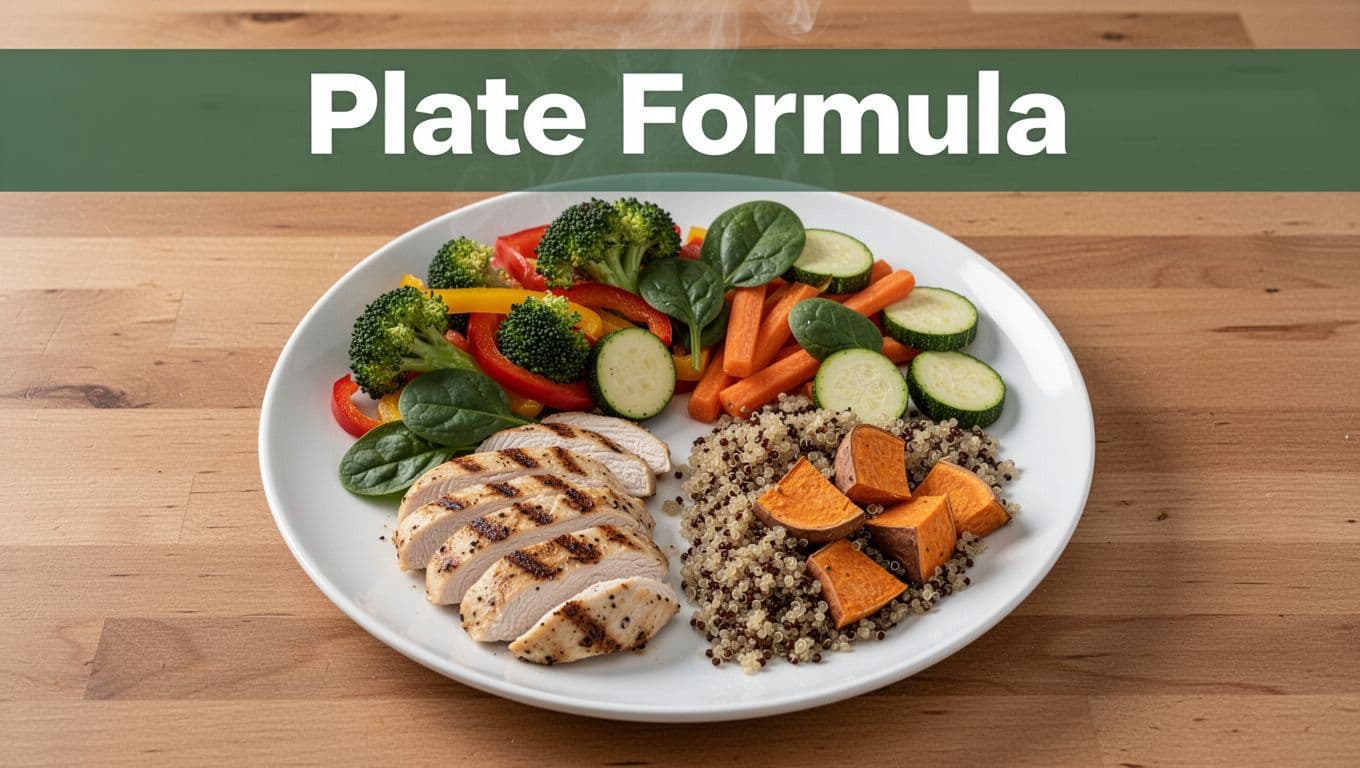
Why does this work so well? Veggies first gives you volume, fiber, and micronutrients with fewer calories. Protein next helps you stay full longer, because it slows digestion and supports muscle. Fiber-rich carbs last give your body steady fuel, so you avoid the quick crash from refined carbs.
Also, it fits today’s “smart swaps” trend. Instead of piling on large portions of bread, pasta, or rice, you downsize the refined stuff and keep the plate sturdy. It feels like a smaller serving, but it reads as a full meal.
To customize it, keep the same structure, then swap ingredients:
- Vegetarian or plant-forward: use tofu, tempeh, beans, lentils, or edamame as the protein quarter.
- Gluten-free: choose quinoa, brown rice, or certified gluten-free oats for your quarter carbs.
- Low dairy: use olive oil, nuts, seeds, or yogurt alternatives for flavor and satiety.
Next, build the plate starting with veggies, then add protein, then finish with the right carb.
Start with Colorful Veggies as Your Base
Start by filling half your plate with colorful, non-starchy veggies. This part sets the tone for your meal. It’s where you get the most fiber and nutrients, and you can keep portions satisfying without piling up calories.
Common veggie picks that work hot or cold include:
- leafy greens (spinach, romaine, kale)
- crunchy options (bell peppers, cucumbers, carrots)
- warm roasters (zucchini, broccoli, Brussels sprouts)
- savory mushrooms (shiitake, cremini)
Quick prep ideas make this easy on busy days. Use frozen veggies when you need speed, and roast or steam them right before eating. For salads, chop once, then keep a container in the fridge so you can grab and go.
Here are a few “grab and build” formats you can repeat:
- Salad bowl: spinach + peppers + cucumbers + lemon-olive oil dressing
- Roasted mix: broccoli + zucchini + carrots, seasoned with garlic and paprika
- Steamed plate: broccoli or green beans with soy sauce or balsamic
If you want your veggies to feel more like comfort food, focus on texture and flavor. Add a squeeze of lemon, a dash of hot sauce, or a sprinkle of nuts. Suddenly, the base doesn’t taste “healthy,” it tastes like dinner.
If you follow the plate method, you’ll also naturally eat more plants. That supports gut health and helps you feel full, because fiber slows digestion. As a result, you’re less likely to snack on something less satisfying later.
Layer in Protein for Lasting Fullness
Now add one quarter of your plate with protein. This step matters because protein is the part that keeps you full when the meal ends. It also supports muscle, especially if you move your body regularly.
Aim for protein that cooks easily and tastes good. You can grill, bake, or air-fry most options with minimal prep. Also, you don’t need a complicated recipe to get results.
Great protein choices include:
- chicken or turkey (breast, cutlets, or crumbles)
- fish (salmon, tuna, shrimp)
- eggs (scrambled, boiled, or fried with veggies)
- tofu or tempeh
- beans and lentils (especially if you keep whole grains smaller)
Portion guidance helps here. Think “one steady scoop” of protein, enough to clearly fill a quarter section of your plate. If you use a bowl, just remember the same idea: protein should be a visible chunk, not a tiny garnish.
Cooking methods that fit home life:
- Air-fry seasoned chicken cutlets or salmon bites.
- Bake a sheet pan of turkey meatballs plus veggies.
- Grill or pan-sear fish, chicken, or a tofu slab quickly.
Trendy “stack” meals are just this plate method in a new outfit. For example, a simplified sushi cup can become: cucumber and seaweed salad for the veggie base, a quarter of protein (tuna, tofu, or shrimp), and a smaller portion of rice. A “Big Mac build” can also fit, as long as you keep the protein quarter real (lean beef or turkey) and swap extra buns for lettuce and tomatoes.
When you add protein, you’re also making smart “protein-forward” swaps. You reduce the odds of reaching for quick sugar snacks later. That’s how the plate method supports weight control for many people, without strict rules.
Finish with Whole Grains or Fiber for Steady Energy
Finally, fill the last quarter with whole grains or fiber-forward starchy foods. This is your steady energy zone. It helps you feel satisfied after dinner, without the spike-and-crash cycle you get from refined carbs.
Choose options like:
- quinoa
- brown rice
- oats
- farro or barley
- sweet potatoes
- fiber pasta (when you want pasta night)
The key is to keep it whole and fiber-rich. Refined carbs tend to leave you hungry sooner. Whole grains, on the other hand, tend to support steadier energy because they come with more fiber.
Pairing ideas that feel good in real kitchens:
- quinoa + roasted veggies + grilled chicken
- brown rice + stir-fry tofu + mushroom mix
- sweet potato + turkey chili (with extra beans or lentils)
- oats as a base (overnight oats with chia and berries)
If you’re aiming for a faster “ready now” meal, use a smart base swap. For example, replace some rice with roasted sweet potato. Or swap white bread for high-fiber whole-grain toast and load it with veggies and eggs.
Also, don’t skip flavor. A simple sauce ties the whole plate together. Try olive oil and lemon, salsa, yogurt sauce, or a quick tahini drizzle. When the carbs taste good, you’ll enjoy the portion you chose, not feel deprived.
If you’re building for different diets, you still keep the quarter rule. For low-carb preferences, you can reduce the starchy quarter and slightly increase non-starchy veggies, then focus on protein and fiber-rich add-ins like beans.
Put It All Together: Quick Recipes You Will Actually Make
Once you’ve got protein and fiber basics stocked, cooking gets easier. These recipes are built for real schedules, not fancy weekends. Each one takes about 20 minutes or less, and they stay flexible if your tastes run different.
The common theme is simple: protein you can feel, fiber you can count on, and flavor that keeps you coming back. Think of it like a sturdy phone charger. It powers you through the day, and you do not have to think too hard.

Energizing Breakfast Bowls in Under 10 Minutes
Breakfast bowls are the fastest way to get protein and fiber in early. You can use oats or Greek yogurt as the base, then pile on a protein topper and fruit, plus a crunch topping. If you want an easy template, these bowl ideas build the same way as recipes like oatmeal Greek yogurt.
Recipe: Protein Oats or Greek Yogurt Bowl (1 serving)
Time: 8 to 10 minutes
Ingredients (3 to 5):
- Rolled oats (or plain Greek yogurt)
- Whey or plant protein powder (or Greek yogurt again)
- Banana or berries
- Chopped nuts (or seeds)
- Optional: chia or flax
Steps:
- Cook rolled oats in the microwave with water (or use overnight oats you already prepped).
- Stir in protein powder (or mix extra yogurt in).
- Top with fruit, then add nuts or seeds.
- Finish with chia or flax for extra fiber.
Nutrition perks:
- Fiber from oats (and chia/flax if you add it) helps you stay full.
- Protein supports steady energy and helps prevent mid-morning cravings.
Calorie estimate: about 350 to 450 calories per serving (depends on fruit and nut portions).
Servings: 1
Easy variations:
- Waffle maker hack (sweet crunch): Cook a thicker oat base (or use overnight oats), pour onto a lined waffle maker, and top like a bowl.
- Berry chocolate vibe: Add cocoa powder to the oat base (skip added sugar), then top with berries and walnuts.
- Savory-lean option: Use Greek yogurt, add nuts, and top with sliced strawberries and a pinch of cinnamon (yes, it still feels like dessert, but it’s not candy).
No-Cook Lunch Jars for Grab-and-Go
Lunch jars work because they’re built like a salad that stays organized. When you layer correctly, nothing gets soggy. Also, you can prep once, then grab a jar the way you’d grab keys.
If you want mix-and-match ideas, mason jar salads are a proven format like those in mason jar salad recipes. Just keep the same logic: dressing stays on the bottom, crunchy stuff stays toward the top.
Recipe: Chicken or Tuna Salad Jar (2 servings)
Time: 20 minutes (plus 10 minutes to chill, optional)
Ingredients (4 to 5):
- Chopped romaine or mixed greens (about 4 cups total)
- Canned tuna or cooked chicken (about 1 can or 2 cups cooked)
- Cherry tomatoes + cucumbers (about 1 cup total)
- Chickpeas or quinoa (choose one, about 1 cup)
- Dressing: olive oil + lemon + salt (or a store dressing you love)
Steps:
- Make dressing first, then spoon a thin layer into the bottom of two jars.
- Layer in grains or chickpeas, then add diced cucumbers and tomatoes.
- Add chopped greens next (leave headspace so the jar seals well).
- Top with tuna or chicken.
- Seal, refrigerate, then eat by shaking right before you open.
Nutrition perks:
- Protein from tuna or chicken helps you feel satisfied until dinner.
- Fiber from chickpeas or quinoa supports gut health and steady hunger.
Calorie estimate: about 420 to 550 calories per jar (depends on dressing and add-ins).
Servings: 2
Make-ahead tips that actually matter:
- Keep greens dry until you eat, if you can.
- Use smaller jars for easier portion control on busy days.
- If you prep for 3 days, keep the most delicate veggies separate and add them at lunch.
One-Pan Dinners Everyone Loves
One-pan dinners are where healthy habits stop feeling hard. You toss protein, veggies, and a simple grain on a sheet pan (or use the air fryer). Then you walk away. When dinner needs less attention, you get your evenings back.
Air fryers also help you hit the “crispy edge” craving without deep frying. If you want a sheet-pan style approach, you can use the same ideas as air-fryer sheet-pan dinners like air fryer sheet pan dinners.
Recipe: Air-Fryer Pork Loin Stir Bowl (2 servings)
Time: 18 to 22 minutes
Ingredients (3 to 5):
- Pork loin slices (or pork tenderloin cut small) about 10 to 12 oz
- Frozen broccoli and peppers (about 4 to 5 cups)
- Cooked microwave rice (or quick grain) about 2 cups
- Soy sauce or teriyaki-style sauce (about 3 tablespoons)
- Garlic powder + sesame seeds (optional)
Steps:
- Toss pork with soy sauce (save a spoon), plus garlic powder.
- Air-fry pork at 400F for about 8 to 12 minutes, depending on thickness.
- Add frozen veggies to the basket for the last 6 to 8 minutes.
- Warm the rice, then stir veggies and pork into the bowl.
- Finish with a drizzle of remaining sauce and sesame seeds.
Nutrition perks:
- Protein from pork supports muscle and fullness.
- Fiber from broccoli plus peppers helps digestion and steady energy.
Calorie estimate: about 520 to 650 calories per serving (depends on rice portion).
Servings: 2
Cozy upgrade ideas (for “I want comfort food” nights):
- Swap rice for barley or quinoa for a thicker, more filling bowl.
- Add a spoon of yogurt sauce or a quick tahini-lemon drizzle to make it taste richer.
- If you want the “cozy soup” vibe, keep the same ingredients, then add water or broth after cooking and simmer 5 minutes.
Optional dinner variation (swap protein):
- Replace pork with chicken cutlets, then keep the same veggie mix and sauce.
- Or use tofu for a plant-forward dinner that still feels hearty.
Quick Add-On Snack: Yogurt Parfaits That Feel Like Dessert
Sometimes you need a bridge between lunch and dinner. A parfait works because it’s fast, creamy, and it fits a fiber-forward plan.
Recipe: Greek Yogurt Fiber Parfait (1 to 2 servings)
Time: 5 to 8 minutes
Ingredients (3 to 5):
- Plain Greek yogurt (1 to 1.5 cups)
- Berries or sliced apple (1 cup)
- Chia or ground flax (1 to 2 tablespoons)
- Nuts or granola (optional, 1/4 cup)
Steps:
- Spoon yogurt into a bowl (or jar).
- Add berries, then sprinkle chia or flax.
- Top with nuts or a small crunch layer.
- Eat right away, or chill 10 minutes for thicker texture.
Nutrition perks:
- Protein helps you stay full.
- Fiber from chia or flax supports gut health.
Calorie estimate: about 250 to 400 calories per serving (depends on toppings).
Servings: 1 to 2
The best part is you can tweak everything. If your fridge runs low on one ingredient, just swap within the same categories: protein stays protein, fiber stays fiber, and flavor stays fun.
Sneaky Tips and Tools to Make Healthy Eating Stick
Healthy eating sticks when it feels easy, not when you rely on pure willpower. That means you set up your kitchen so the healthy choice is the default choice. Think of it like leaving your keys in the same spot every day, your brain just follows the routine.
The best part? You don’t need a huge overhaul. A few smart tools can make protein and fiber feel fast, fun, and repeatable, even on busy weeknights.
Kitchen Gadgets That Save Time and Sanity
If cooking feels stressful, it usually comes down to friction. Prep time, cleanup time, and “why is this taking so long?” moments add up fast. The right gadgets cut those moments, so your meals actually happen.
Here are three tools that help you stay on track, without turning your kitchen into a science lab.
- Air fryer for crispy without oil: You get that browned, crunchy edge with a fraction of the mess. Use it for chicken cutlets, salmon bites, roasted chickpeas, and frozen veggie mixes. Also, air-fryer snacks help when cravings hit, because you can make “crunchy” foods that still fit your protein and fiber goals. If you want guidance on what to look for, check out best air fryers picks from CNET.
- Blender for smoothies (and stealth fiber): A blender turns “I don’t have breakfast ready” into a 5-minute drink. You can also hide fiber in plain sight, like adding chia seeds, ground flax, or oats. For speed, blend frozen fruit with Greek yogurt and a handful of spinach. You will not taste spinach, but you will feel better after.
- Waffle maker for fun twists: This is the sneaky one. Use it to make oat waffles, savory protein waffles, or even mini “sandwiches” with eggs and veggies. When meals feel playful, you stick with them.
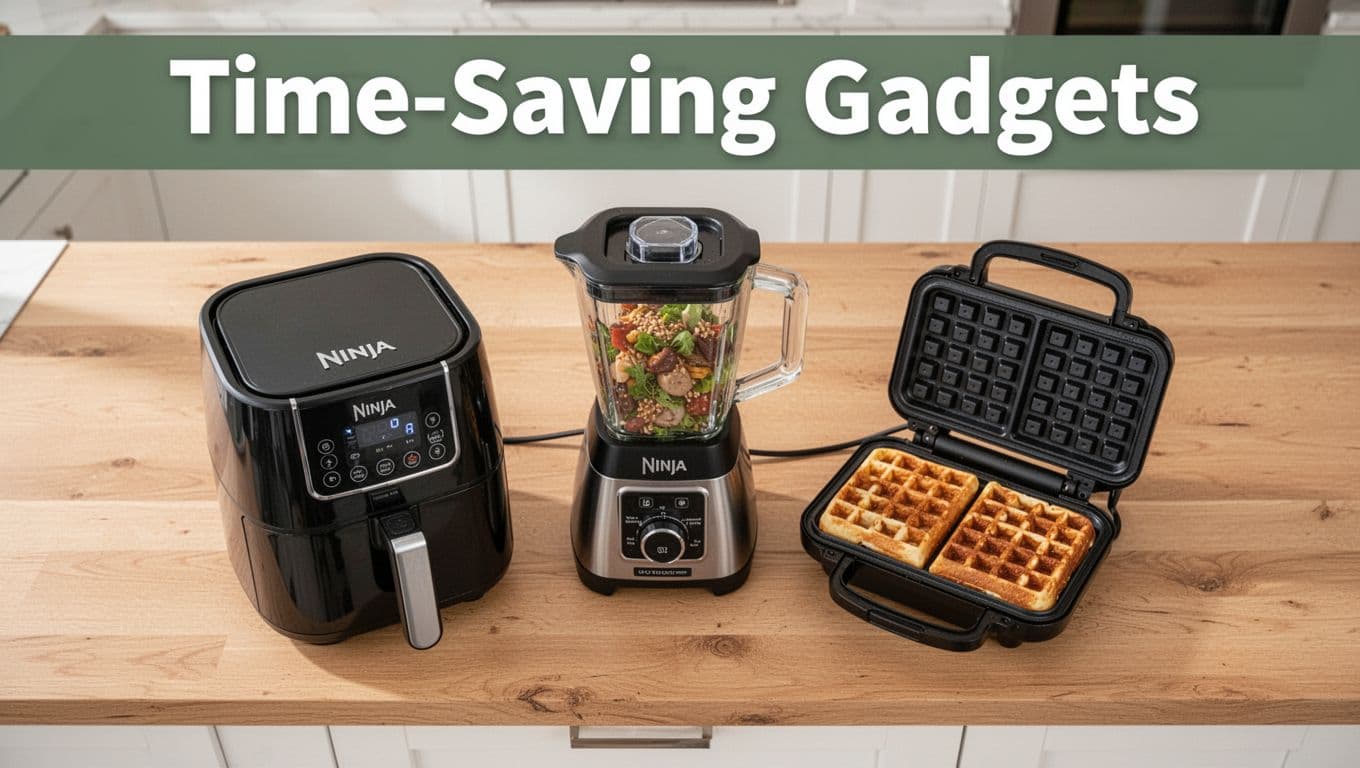
To make these tools work long-term, use a simple “batch then switch” routine. Cook one protein on your air fryer, blend one smoothie base for two days, then use the waffle maker once per week for a breakfast upgrade. After a few weeks, you will feel less like you are cooking and more like you are assembling.
Also, keep portions smaller than you think. This helps you avoid the beginner hurdle of “I made too much.” Since your meals are protein and fiber-forward, smaller servings still satisfy.
Mini prep hacks that reduce decision fatigue
When you cook on purpose, it can still feel calm. Soften the chaos with a few repeatable moves:
- Chop veggies once, store them in clear containers, then reuse them all week.
- Keep one “ready grain” option, like microwave rice or quick farro.
- Store spices where you can reach them fast, so flavor happens without effort.
If you want tool ideas that match real kitchens, use reviews like The Best Ninja Air Fryers of 2026 from Serious Eats to compare models based on your needs.
Next, once tools handle speed, swaps handle taste. That is where healthy eating becomes something you look forward to.
Swaps That Taste Better Than the Original
Most people fail at healthy eating for one reason, the food tastes “off.” It tastes like dieting, not dinner. Swaps fix that, because they keep the flavor you crave while improving protein and fiber.
Start with swaps that mimic the original texture. Creamy stays creamy. Crunch stays crunchy. Then you add the fiber so you feel full.
Here are three swap ideas that work especially well at home.
- Greek yogurt mayo: If you love creamy sandwiches, this one wins. Use Greek yogurt instead of mayo in tuna salad, egg salad, or wraps. It gives a similar tang and thickness, plus extra protein. You can also season it with lemon juice, mustard, garlic powder, and black pepper so it tastes like your favorite version, not a compromise.
- Air-fried snacks instead of chips: Cravings do not care about your meal plan. So give cravings a better option. Air-fry chickpeas, lentil bites, or even roasted edamame until they’re crisp. Then season them with taco spice, garlic and parmesan style (use a light hand), or smoky paprika. You get crunch, plus fiber that helps hunger behave.
- Fiber-enriched carbs: You can still eat carbs. You just choose ones that come with fiber. Swap white pasta for lentil pasta, use high-fiber wraps, or choose oats and barley when you want something filling. For example, Greek yogurt-based pasta salad keeps a creamy feel while boosting protein and staying more satisfying than plain versions. If you want a concrete example, try Greek yogurt macaroni salad for a high-protein swap.
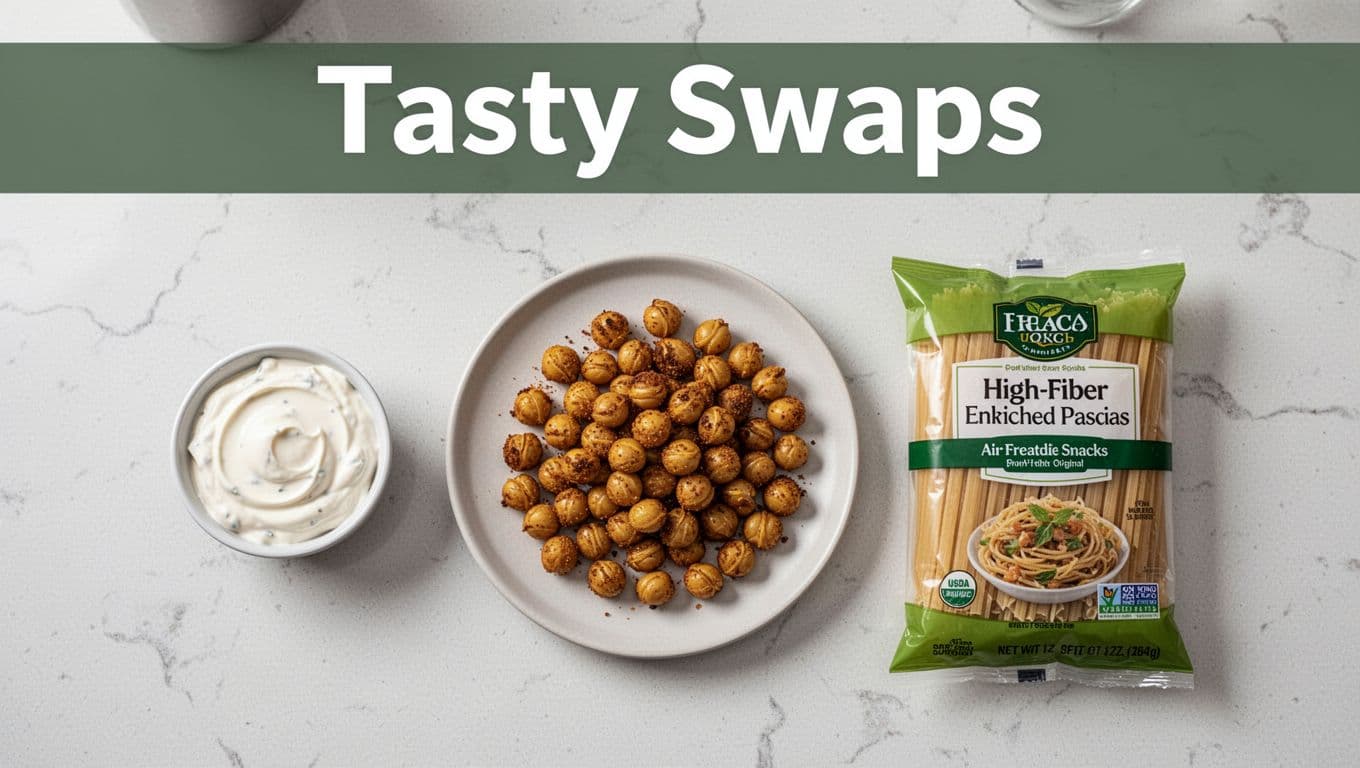
The trick is to swap within the same category, not across categories. Mayo swap keeps it creamy. Chickpea snack swap keeps it crunchy. Fiber-enriched carb swap keeps it satisfying.
Here’s a quick way to do it without overthinking:
- If it’s creamy, swap in Greek yogurt-based sauces.
- If it’s crunchy, air-fry legumes or roast high-fiber snacks.
- If it’s carb-heavy, choose fiber-forward versions and keep portions smaller.
Also, don’t go extreme. Avoid “all or nothing” rules that make you quit in two weeks. Instead, focus on enjoying the first bite. When food tastes good, you get consistency, and consistency builds results.
Finally, if you want more swap ideas, you can use guides like healthy food swaps for wellness goals to refresh your options.
Conclusion: Protein-Forward, Fiber-Rich Meals Get You Back to Real Energy
You now have a simple system for home cooking that actually sticks. First, stock easy protein and fiber staples so you’re never stuck. Next, balance your plate with more non-starchy veggies, solid protein, and steady whole-food carbs. Then, use quick recipes and small tools (like your air fryer or a blender) to reduce effort on busy nights.
When this routine is set, your meals work while you live your life. You feel fuller for longer, you snack less out of habit, and you wake up with more energy because breakfast and dinner are built to support you. That’s the 2026 version of healthy eating, real food, repeatable structure, and flavor you look forward to.
Pick one recipe to start today. Make the Chicken or Tuna Salad Jar for lunch (or swap in your favorite protein), then prep enough for two days. After you eat, share what you changed and what felt best, more crunch, more lemon, or a different fiber base.
What would you rather improve next week, breakfast speed or dinner variety? Either way, keep it simple, because sustainable home cooking wins when it fits your routine.