A growing number of employers are expanding preventive care for women’s health, with 58% making changes in 2026. That push matters because chronic disease costs are rising by about 6.5% to 9%.
Preventive care means routine checkups, screenings, vaccines, and daily habits that help stop problems before they grow. And when you treat it like a normal part of life, it shows up everywhere, not just in medical bills.
Think of prevention like catching a small leak under a sink. If you fix it early, you protect your home, your time, and your budget. If you ignore it, everything gets harder.
Next, you’ll see how early detection through preventive care can protect lives, save money, and make daily life feel easier.
How Early Detection Through Preventive Care Can Save Lives
Preventive care works because many health problems start quietly. Symptoms often show up only after damage has already begun. So, the goal is simple: find issues early, when treatment can be less intense.
In 2026, employers are also pushing screening access in ways that fit real schedules. For example, many companies now offer reminders, easier scheduling, and on-site visits so you do not have to “fit it in” at the worst possible time.
Here’s what that can look like in everyday life:
- A routine mammogram finds changes early instead of after symptoms appear.
- A yearly checkup catches blood pressure or cholesterol trends before they become serious.
- A cancer screening review helps confirm next steps right away, not months later.
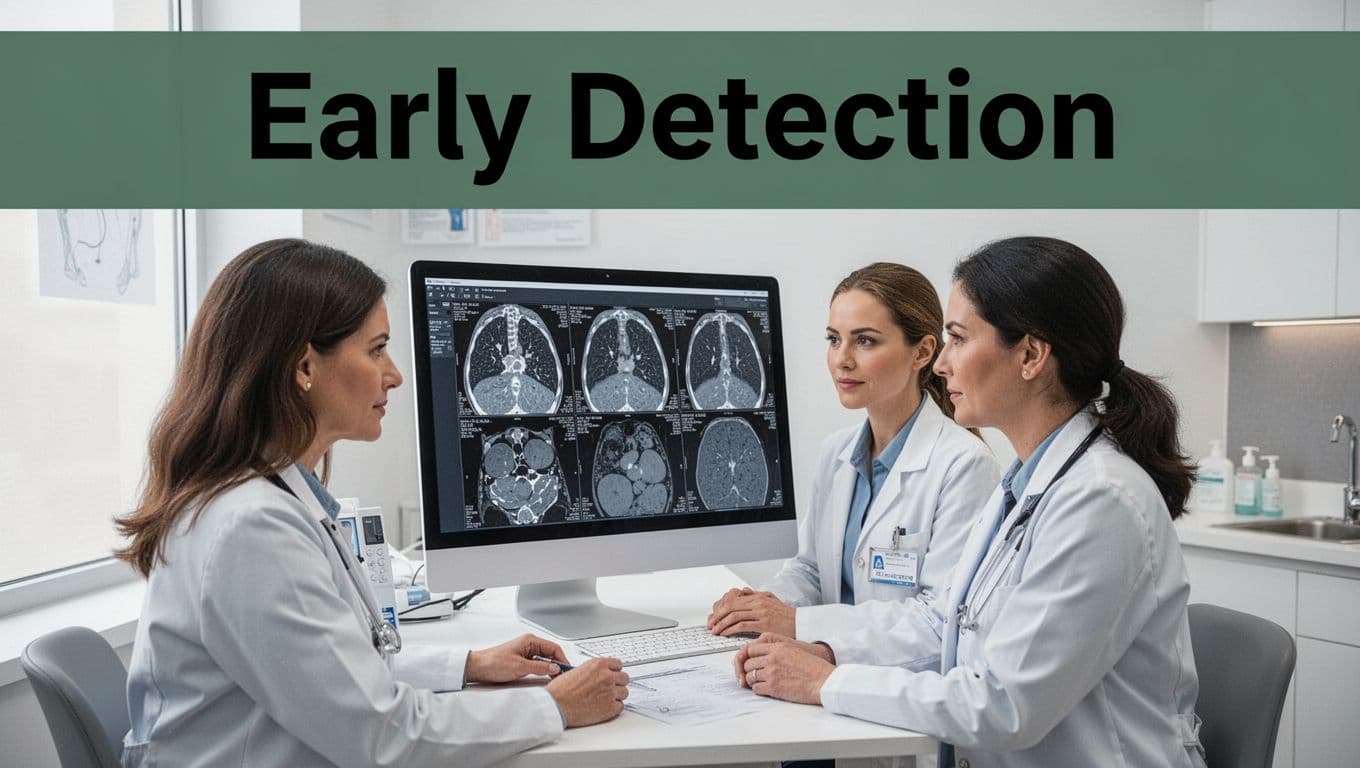
For a grounded view of what screening and early detection help prevent, the American Cancer Society’s Cancer Prevention & Early Detection Facts & Figures (2026) is a helpful reference point: Cancer Prevention & Early Detection Facts & Figures 2026.
Also, early detection is not just a “medical win.” It is often a life-control win. You plan around a checkup, then you move on with less worry. You do not wait for a crisis to force the schedule.
Spotting Cancer and Chronic Issues Before They Worsen
Cancer is one of the clearest examples of why preventive care matters. When it gets found early, treatment can start sooner and may be less aggressive. That matters for more than survival. It also affects quality of life during treatment.
The data space can feel overwhelming, but the core idea stays the same. Screening helps spot changes before they spread or become harder to treat. In 2026, cancer reporting continues to highlight the role of early detection alongside new treatments.
For more on what cancer trends mean for patients and outcomes, see Cancer statistics, 2026 – CA: A Cancer Journal for Clinicians. It helps explain why detection timing matters, not just treatment options.
Preventive care also catches chronic issues that do not “feel urgent” at first. Think about the warning lights in your car. You might ignore them, until the engine starts stalling. Blood tests, blood pressure checks, and simple screenings work like those lights, so you can respond early.
Women’s Health Screenings and Support Gaining Momentum
Women’s health is getting more attention for a reason. In 2026, 58% of employers plan to expand women’s preventive care, and menopause support is a major part of that shift. Many programs also aim to reduce barriers like cost, scheduling, and time off work.
Also, a lot of people delay preventive care. One reason is practical: 27% of women put it off due to time, wait lists, or travel. That’s why employers increasingly focus on access, not just coverage.
In addition, women’s care is not one-size-fits-all. Employers are pairing screenings with support programs that reflect real life, including menopause education and help navigating next steps when results come back abnormal.
If you want a snapshot of where benefits planning is moving, Evernorth’s 2026 look at women’s health is useful background: Women’s health in 2026: A strategic imperative.

Meanwhile, telehealth and at-home scheduling options are making it easier to handle parts of preventive care without waiting weeks. You still get medical decisions guided by a clinician, but you lose less time to the “logistics” of care.
The Real Money Savings from Making Prevention a Habit
Preventive care is often cheaper than treating problems later. That’s the simple math. But it also saves money in less obvious ways.
When prevention works, you need fewer high-cost visits and fewer weeks of recovery. You also avoid the “wait, it got worse” cycle that drives expenses up fast. In 2026, employers are paying attention to that because chronic disease costs keep rising, and healthcare spending is under pressure.
Many companies also see productivity benefits from prevention. When people stay healthier, they take fewer sick days. That can reduce disruptions and help teams run smoother.
For context on how employers think about health coverage and access, the U.S. Chamber of Commerce shares results from its employer strategy survey here: Employers Remain Committed to Offering Robust Health Coverage.
One way to picture the financial difference is by stage, not by exact dollar amounts (because your plan design and location matter). Here’s a stage-based view:
| Timing of care | What you might catch | Common next steps | Why it tends to cost less |
|---|---|---|---|
| Early (preventive) | Risk factors and early changes | Follow-up labs, lifestyle support, targeted screenings | You act before major damage or complications |
| Middle (mild symptoms) | Problems becoming noticeable | More tests, specialist visits, short treatments | Still manageable, but more care is needed |
| Late (serious symptoms) | Advanced disease or complications | Longer treatment, more visits, higher intensity care | You treat both the disease and the setbacks |
The big takeaway: preventive care helps you avoid the expensive versions of the same problems.

You do not need perfection. You need a pattern. Schedule the visit, do the screening, take the vaccine when it fits your plan, and follow through on results. That consistency usually beats “trying again later.”
Cutting Down on Absenteeism and Work Disruptions
Health affects your calendar. When you skip preventive care, you often pay for it later with appointments you cannot schedule around work. Then your day gets pulled apart, and your energy drops.
Employers know this, so many now encourage primary care checkups through incentives and easier access. Instead of forcing you to hunt down care, they bring prevention closer to where you already spend time.
Also, when preventive care improves, people often feel better sooner. That can mean fewer days lost to illness, fewer urgent trips, and more predictable recovery when problems do pop up.
A practical example: a vaccine can reduce the chance you land in urgent care with an infection. A checkup can catch risk changes so you can address them before they become a condition that drains weeks.
In other words, preventive care supports both your body and your routine.
Stopping Diseases in Their Tracks for a Healthier Tomorrow
Preventive care is not only about screening for cancer. It also focuses on disease prevention in daily life, especially for chronic conditions.
Many chronic diseases share common roots. Weight changes, inactivity, smoking, poor sleep, and untreated stress can all affect risk over time. So prevention often starts small, then builds.
In 2026, employers are expanding programs that support those daily drivers. That includes help with weight management, better access to vaccinations, and guidance for managing long-term conditions.
It also includes better follow-through. Instead of “we told you to come back,” prevention programs try to remove friction so you actually return.
Here are examples that show how “prevention” plays out in real routines:
- Flu shots every year, because flu can hit hard even when you feel fine today.
- Diabetes and heart-risk screening, so you can catch trends early.
- Lifestyle support that helps you stick with changes for more than a week.
For guidance on preventive care recommendations and how they can change, it can also help to follow updates like this report on the U.S. Preventive Services Task Force: The task force that shapes Americans’ preventive care.
Prevention works best when it feels doable. If it feels overwhelming, you fall behind. That’s why many people benefit from simple planning, like pairing preventive visits with other yearly tasks.
Vaccinations and Lifestyle Tweaks That Keep Illness Away
Vaccines are one of the clearest preventive steps. For kids, they protect development and school attendance. For adults, they reduce risk and lower the odds of serious illness.
Lifestyle tweaks also matter, even if they sound basic. Walking more, eating with more fiber, sleeping consistently, and managing stress can improve risk factors that drive chronic disease. Plus, small changes stack up.
A useful way to think about this is like building a fence around your health. One plank does not stop everything. But a full fence changes the outcome.
Start where you are:
- Keep up with recommended vaccines based on your age and health history.
- Use screenings as checkpoints, not as proof you are sick.
- Pick one daily habit you can do most days.
Once you do that, preventive care becomes part of your life, not a rare event.
Building a Better Quality of Life with Everyday Prevention
Quality of life is not just the absence of disease. It’s energy, focus, mood, and time with your people.
In 2026, more employers link preventive care with mental health support. That makes sense. Stress, anxiety, and depression can affect sleep, appetite, and motivation. Meanwhile, physical checkups can open doors to mental health screening or therapy recommendations.
Also, more virtual care options show up around prevention. People can handle certain visits by phone or video, then follow up in person when needed.
At the same time, many health tools now help people track patterns. The realtime data shows preventive and “predictive” health interest has surged. For example, searches for predictive health have increased sharply since 2022. Some tools even use sleep and stress tracking to flag possible depression or anxiety, with studies reporting strong accuracy.
That matters because prevention can include early support for mental strain, not only physical screening.

And when people feel supported, they often show up more. They keep appointments. They ask questions. They get answers that reduce uncertainty.
For another look at how women’s and family health benefits are evolving in 2026, you can review this background report from Maven Clinic: Maven’s State of Women’s and Family Health Benefits.
More Energy, Better Mental Health, and Family Protection
When preventive care works, you get more than test results. You get momentum.
You can handle family life with fewer interruptions. You plan trips and school events without constant worry. You also spot mental health issues earlier, when support can still be simple.
For families, preventive care can feel like protection. Prenatal and postpartum support programs, mental health therapy access tied to checkups, and screening help for future risks can all support day-to-day stability.
The best part is that prevention often creates a chain reaction. You take one step, then you feel more confident about the next. Over time, your health routine becomes easier to maintain.
Conclusion: Make Prevention Part of Your Daily Life
The hook from earlier is still true in real life: employers are expanding preventive care because it helps control chronic disease costs and supports healthier outcomes. When you treat preventive care like a routine, you catch issues early instead of reacting late.
That means better odds for early detection, fewer surprises, and often lower long-term costs. It also supports quality of life, because you get more stable energy, fewer disruptions, and earlier mental health support.
Now pick a next step you can do this week. Schedule your annual physical, confirm your screenings, or ask your doctor which vaccines you need.
If preventive care is the leak-stopper, what’s your next small fix going to protect?