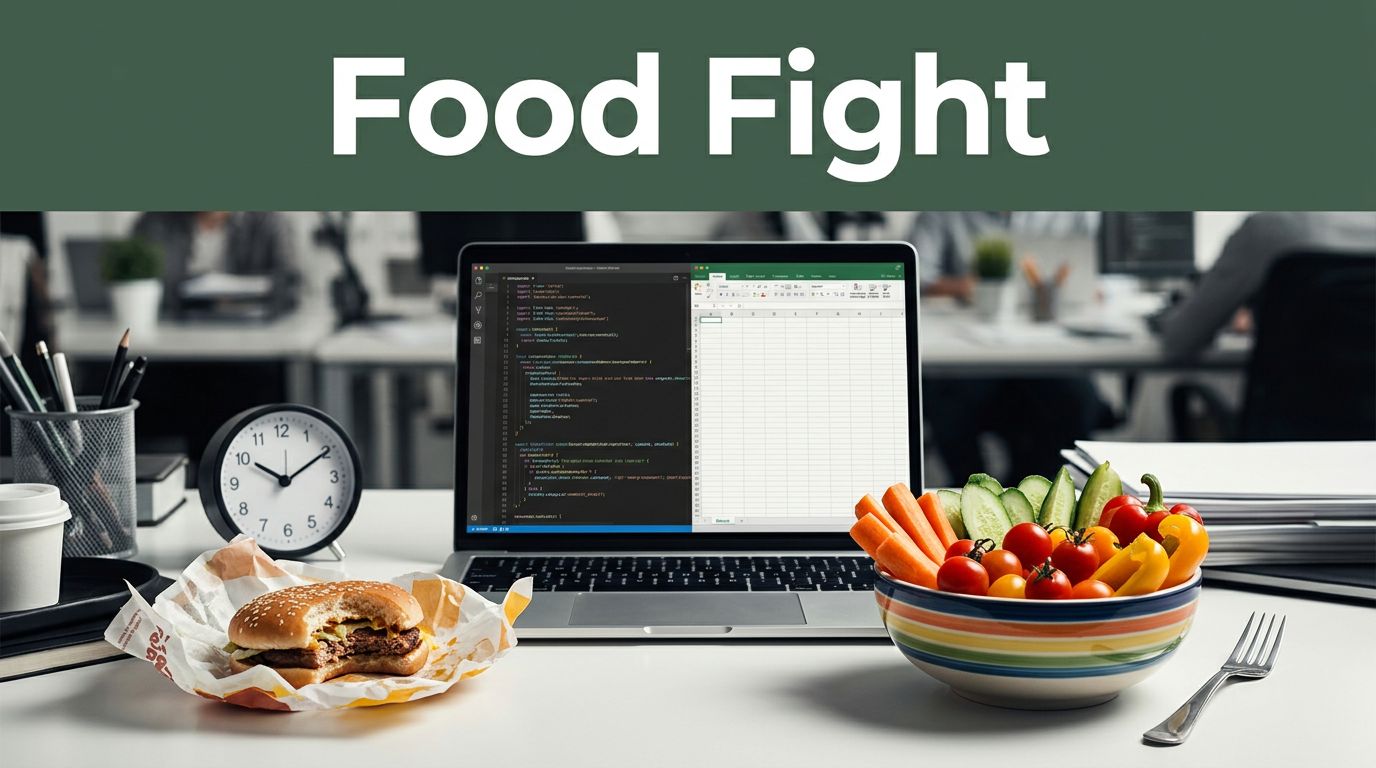
Ultra-processed foods still make up about 55% to 60% of U.S. diets. That matters, because it links to rising rates of obesity and diabetes.
You know the feeling. You start the day hungry, then life hits fast. Maybe you grab fast food during a busy shift, then swear you’ll do better tomorrow.
So if you keep asking why do people struggle with healthy eating, you’re not alone. The issue usually isn’t “lack of willpower.” It’s barriers to healthy eating that stack up in real life.
Here are the top six reasons people run into healthy eating challenges, based on what researchers and public data keep pointing to. You’ll also see how the updated U.S. dietary guidance (the new inverted Food Pyramid style) pushes people toward whole foods and away from highly processed options.
Understanding these barriers is the first step toward changes that actually last.
Busy Schedules Steal Time for Real Meals
When your day is packed, food becomes the fastest decision you make. That’s why meal planning feels harder than it should. Work deadlines, kids’ activities, and chores all steal time. Then you end up eating “whatever fits.”
A common pattern looks like this. You skip breakfast, drink coffee all morning, and then feel ravenous later. After a long day, you’re tired and hungry, so you choose quick fuel. In 2026, a lot of people still power through on coffee alone, then rely on late-night snacks or drive-thrus.
This isn’t just anecdotal. Surveys show that many people report diet struggle tied to daily routines, not personal motivation. For example, Purdue University’s Consumer Food Insights reporting highlights how diet satisfaction varies across groups, often alongside real-life constraints like time and stress (U.S. consumers report diet satisfaction patterns).
Juggling Work, Family, and Everything Else
Try imagining a weekday as a chain of “drop-offs” and “hurry up” moments. Kids need rides. Meetings run late. Someone always needs something.
In those conditions, eating can turn into a side task. People eat at desks, in cars, or while checking messages. Then meals get smaller, less balanced, and more random. Even when you want to choose healthier, you’re often choosing from what’s already within reach.
Meal prep helps, but only if it fits your actual week. If you prep for two hours and then never repeat it, the plan falls apart. The goal is small structure, not a perfect system.
The Trap of “Quick and Easy” Junk
Convenience wins when time is short. Convenience stores, vending machines, and drive-thrus feel like lifesavers. Yet most “ready” options are loaded with sugar, salt, and refined carbs.
Time pressure can also nudge people toward ultra-processed foods because they’re cheap, consistent, and easy to find. A healthier choice might still be possible, but it often requires extra steps.
Instead of aiming for complicated cooking, use “low effort” swaps:
- Frozen vegetables (microwave or roast) instead of none at all
- Overnight oats or yogurt cups instead of pastry runs
- Pre-portioned snacks you can grab during chaos
Think of it like putting snacks in the path on purpose, before you hit the hungry part of the day.
Fresh Foods Come with a Steep Price Tag
Even when you have time, money can block healthy eating. Produce, lean proteins, and whole grains often cost more per meal than shelf-stable snacks.
That cost of healthy eating gap can be worse during inflation. When budgets tighten, people still want to eat, but they look for the best value. Often, the best value is ultra-processed food.
Also, “healthy” isn’t one price. It depends on where you live and what stores you can reach. Some neighborhoods have fewer affordable options and fewer promotions for fresh foods.
Research on household barriers keeps finding cost and access as major factors. In a 2025 Frontiers in Public Health study, researchers discuss barriers and facilitators in both the general population and low-income groups, with cost showing up as a key issue (household barriers and facilitators to healthy eating).
Why Veggies Cost More Than Chips
Here’s the unfair part: chips go on sale, veggies do too, but they might sell out, spoil faster, or cost more upfront.
For a quick example, consider a bag of chips versus a bundle of leafy greens. Chips can last weeks. Greens might last days. That changes how people judge value, even when greens are the better choice.
If money is tight, focus on foods that give you the most nutrition per dollar:
- Beans and lentils instead of frequent meat-based meals
- Frozen fruits and vegetables instead of fresh-only
- Bulk grains (rice, oats, barley) instead of single-serve items
This also matches the “whole foods first” direction in the newer dietary guidance. When you build meals around protein, plants, and dairy (in recommended amounts), you’re more likely to stay satisfied and avoid constant snacking.

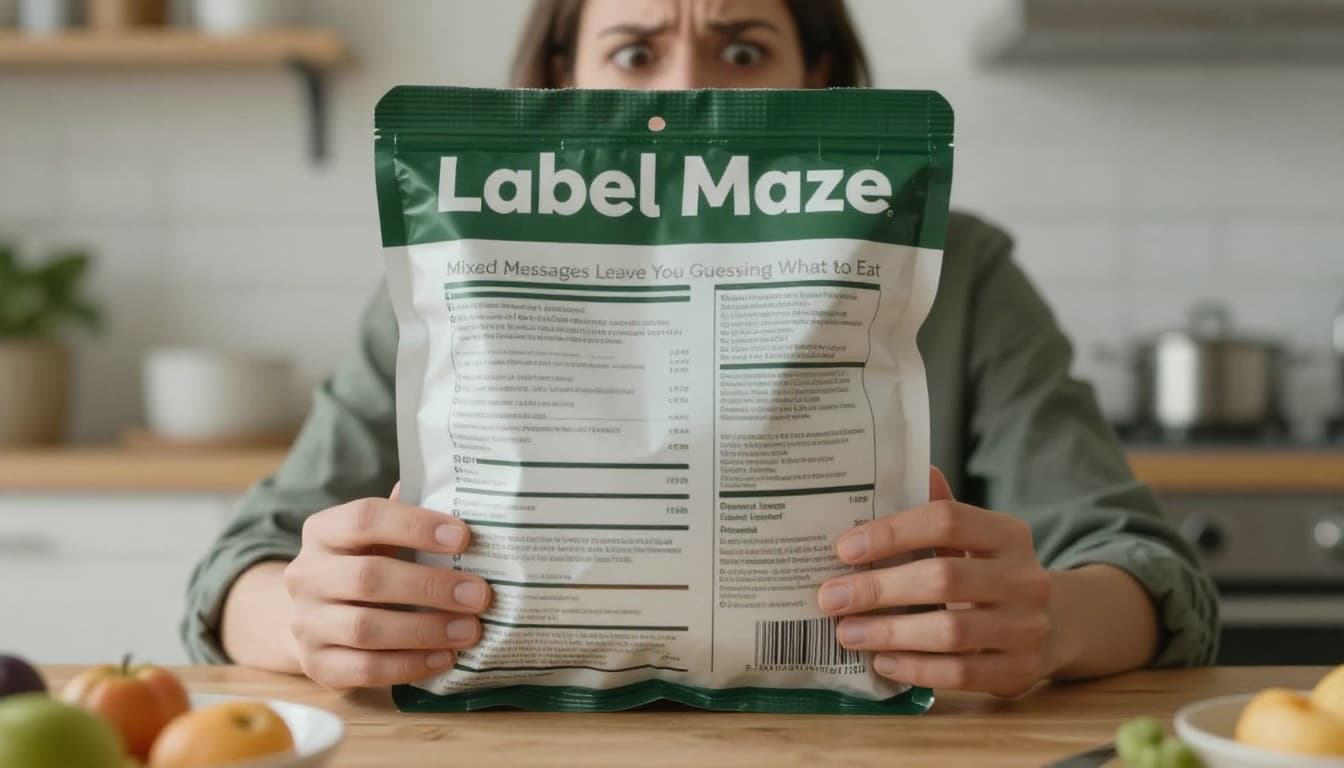
Mixed Messages Leave You Guessing What to Eat
Healthy eating can feel like a moving target. One week, a food is good. Next week, it’s “dangerous.”
Social media adds fuel fast. People post extreme before-and-after results. Then you try to copy their plan, even if your life and body look different. In addition, labels can be confusing, and marketing often uses “healthy” language that means little.
Part of the mess comes from the updated Food Pyramid direction. The new approach emphasizes whole foods and reduces highly processed options, but it can still surprise people. For example, some guidance highlights certain fats and proteins while also urging limits on added sugar and ultra-processed ingredients.
Meanwhile, ultra-processed foods often hide what matters most. They can contain added sugars, refined starches, and additives that make the food taste hard to stop eating. So you end up eating more than you planned, even if the package looks “normal.”
Fad Diets and Social Media Hype
TikTok and YouTube can make nutrition look like a set of quick hacks. A trend says cut carbs. Another trend says carbs are fine, but only if you eat “this” brand.
Then you see people stop and start. You copy the cycle. In real life, yo-yo patterns happen when plans rely on rules instead of routines. If you can’t keep the plan, your brain treats it like a threat. Then cravings bounce back.
Surveys often show consumer confusion remains high. People want clear answers, but they get competing ones. So the biggest “barrier” becomes uncertainty itself.
A simpler goal helps. Instead of copying a trend, aim for repeatable basics: add a plant, add a protein, and reduce ultra-processed meals most days.
Decoding Sneaky Food Labels
Labels can be a puzzle, especially for busy shoppers. The Nutrition Facts panel helps, but people also need help with ingredient lists.
Watch for patterns like:
- Multiple forms of sugar (not just “sugar”)
- Refined grains high up in the list
- Long ingredient lists that read like a science project
If you want a research-backed explanation of where nutrition labeling can help (and where it falls short), this review is a good starting point: A review of nutrition labeling.
Also remember this rule. A label can’t do your thinking for you. It can only give you clues. Your job is to use those clues to choose foods that support your energy and hunger cues.
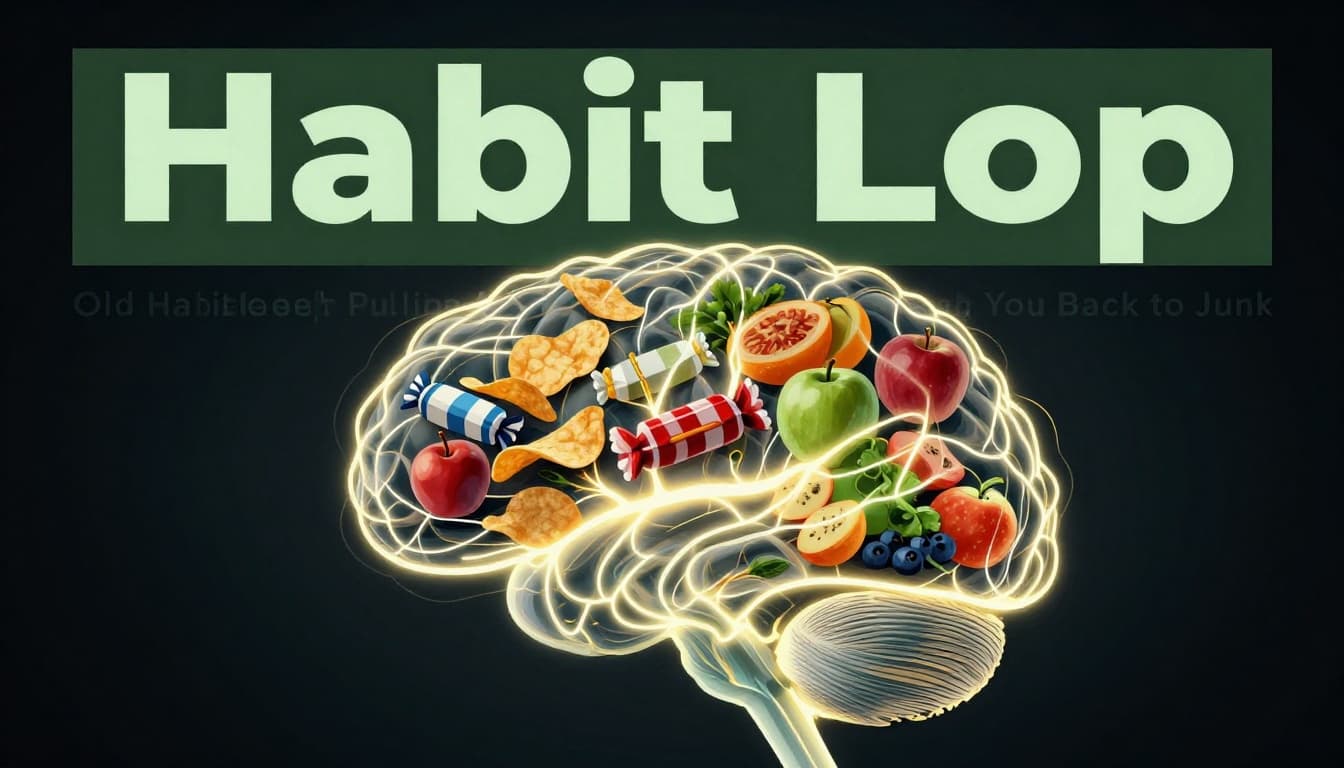
Old Habits Keep Pulling You Back to Junk
Habits aren’t moral failures. They’re patterns your brain learns for speed and reward. If you’ve reached for sweet or salty foods during stress, your brain expects that same comfort next time.
Also, meal skipping can backfire. When you go too long without eating, you feel lower energy and more food-focused. Then “healthy” choices feel harder, because you’re not thinking clearly.
Many people also cycle through strict rules. They cut foods, feel good briefly, then bounce back. That “all or nothing” pattern makes it harder to build steady eating habits.
So instead of “stop eating junk,” try crowding in. Crowding in means adding what your body likes and needs. For most people, that looks like more fiber from plants, steadier protein at meals, and fewer ultra-processed snacks.
Why Breaking the Junk Food Cycle Feels Impossible
A sugar and salt habit can feel automatic. That’s because taste cues and routine cues pair together. If you eat chips while watching TV, your brain links the snack to comfort and downtime.
Then stress or fatigue hits, and the brain looks for the shortcut it knows. Even if you hate how you feel after, your nervous system still remembers the relief.
Some studies and expert commentary describe how even short periods of junk-heavy eating can shift the body’s signals and cravings. This Psychology Today piece discusses the idea that junk intake can alter brain responses (Just Five Days of Junk Food Can Rewire the Brain).
You don’t need to fight your brain 24/7. Instead, change the setting and reduce exposure. Replace the “default snack” first, then build from there.
Your Surroundings Stack the Deck Against You
Your zip code and your store choices matter. You can plan meals, but your environment still influences what you actually eat.
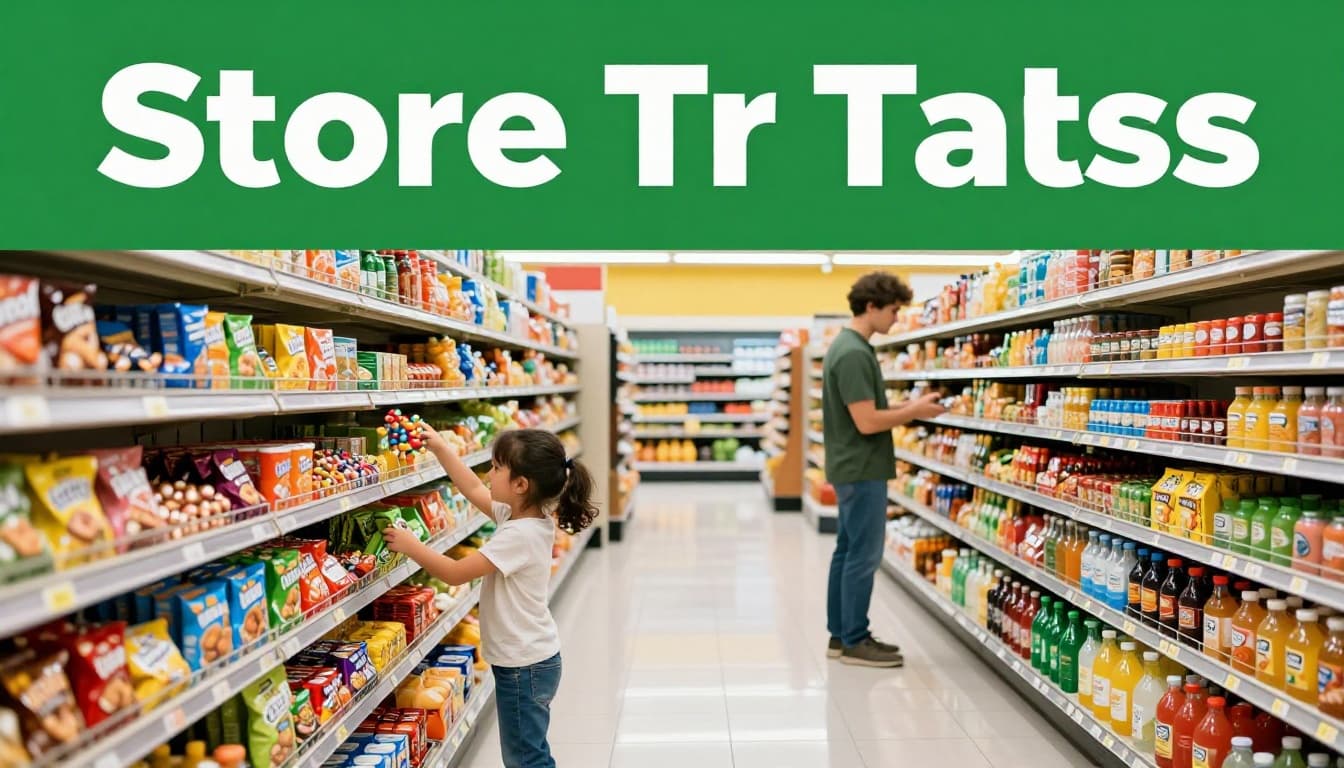
In many places, junk food is everywhere. It’s on endcaps, near checkout, and in kid-focused aisles. Meanwhile, fresh foods might be limited, or they may be far away.
Marketing is part of the problem too, especially when it targets children. Recent coverage notes ongoing child-directed advertising restrictions, but it also highlights how often kids encounter unhealthy food branding online (Food brands update child marketing rules online).
Also, policy changes move slower than cravings. Things like better school meals, healthier store incentives, and community access can help, but they take time.
Ads and Stores That Tempt You Constantly
Imagine your day as a series of “food decision points.” Gas stations, delivery ads, brand promotions, and convenience aisles all push you toward fast choices.
One practical fix is to reduce “surprise hunger” in public. If you walk into a store starving, you buy whatever looks easiest. If you go with a plan and a snack in your bag, your choices get calmer.
At home, you can tweak the environment quickly:
- Keep healthier snacks visible first
- Place junk food higher or in less accessible areas
- Plan one “safe meal” you can make even on bad days
This isn’t about perfection. It’s about giving yourself a fair shot.
Mind and Emotions Make Change Tough
Healthy eating isn’t only physical. It’s emotional too. Stress affects appetite. Then food becomes comfort.
When people feel overwhelmed, restrictive plans often backfire. They try to “be good,” then cravings hit harder. It can turn into a binge, then guilt, then another attempt at strict control.
Food also affects mood. If your meals are mostly ultra-processed, your energy can swing. Those swings can raise irritability and make you feel less in control.
In 2026, more people are talking about mind-body nutrition. The focus is on routines that support resilience, not shame-based dieting.
Stress Turns Food into Comfort
Stress eating doesn’t mean you’re weak. It means you’re using a fast tool to cope. That tool just comes with downsides.
Harvard Health offers helpful guidance on stress eating and what can reduce it (How to curb your stress eating). Practical steps often include slowing down, choosing drinks and snacks that stabilize energy, and building stress relief that doesn’t involve restriction.
Try this when you feel the urge to grab junk:
- Pause for 60 seconds and name the feeling (tired, anxious, lonely).
- Drink water or have a simple snack with protein.
- Then decide again, with calmer brain power.
Some people do best with “intuitive eating,” where you include treats sometimes, instead of banning them. That approach can reduce the push-pull cycle that fuels cravings.
Conclusion: Six Barriers, One Realistic Path Forward
So, why do people struggle with healthy eating? Usually it’s because time, cost, and confusion make healthy choices feel out of reach. Then habits, environments, and emotions keep pulling you back.
Here’s the hopeful part. You don’t need a perfect diet to see progress. You just need one small change that beats your barrier. Add an extra veggie to your usual meal, swap one snack, or prep one “default” option for busy nights.
Pick one barrier to tackle this week. Then comment with what you’re trying, or sign up for updates that keep it simple. You’re building a longer future, not just “starting over” again.