After a long day, you might feel drained, and your body pays the price. If your weight feels stuck or your mood keeps dipping, regular exercise can start to turn things around fast. The evidence backs it up, too.
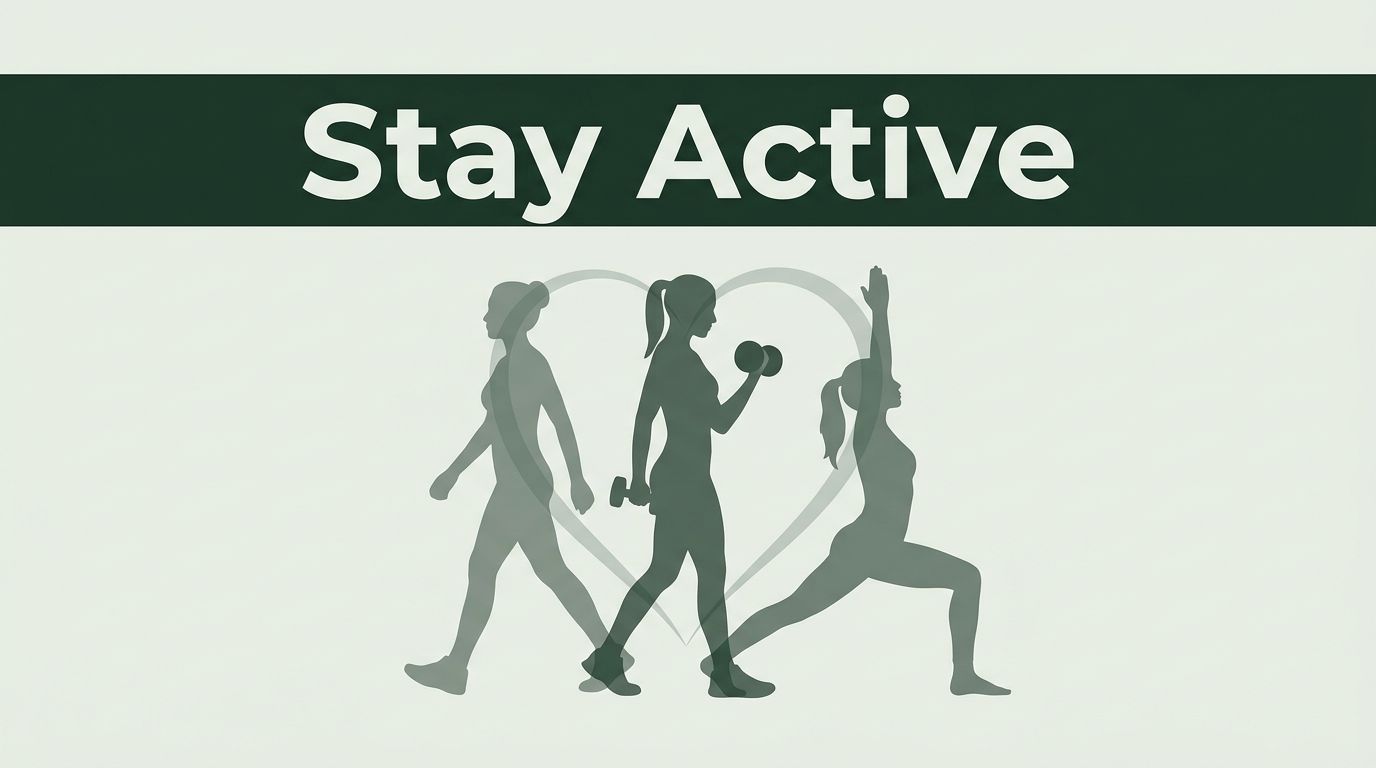
In a Harvard-led BMJ Medicine study from January 2026, adults who mixed different types of workouts had a 19% lower risk of early death than people who stuck to just one type, even when total exercise time stayed similar. Researchers followed over 111,000 adults for more than 30 years, and this benefit held up after they accounted for factors like diet and smoking. Variety mattered: walking, weight training, yoga, and other movement each bring something different to your body.
As a result, regular exercise supports your heart, helps you manage weight, and can sharpen your focus and mood. It also lowers your risk for major health problems, so you’re more likely to stay independent for longer. And once you start rotating activities, it’s easier to stick with a plan that feels doable. You’ll see exactly how these benefits show up in your body system by system next.
How Exercise Powers Up Your Heart and Keeps Energy High
When you move your body on most days, your heart starts working like a well-trained engine. Over time, exercise helps your blood vessels do their job better, improves how your body uses oxygen, and lowers the odds of major heart problems. That means you can feel steadier energy from morning to night, not just during workouts.
Cuts Down Risk of Heart Problems Long-Term
Consistent exercise reduces heart risk in a few key ways. First, it helps lower blood pressure by making blood flow easier through your arteries. Next, it supports healthier cholesterol patterns, so clogging buildup has less room to grow. Think of it like regular washing, instead of waiting until grime has fully dried on.
The Mayo Clinic also highlights that exercise works best when you pair it with healthy eating. Their guidance for blood pressure and heart risk focuses on lifestyle changes that control strain on the heart over the long run (including diet patterns like DASH-style eating). If you want a starting point, begin with small, repeatable activity and build from there. You do not need perfection, you need consistency.
Here is what the data suggests for real life, across ages. The CDC notes that people gain benefits from “any amount” of moderate activity, and doing more generally helps more. Even so, only about 25% of U.S. adults meet key activity guidelines, which is a big reason heart disease prevention remains a priority. The CDC also emphasizes that you can lower risk by keeping blood pressure, cholesterol, and blood sugar in healthier ranges, and exercise supports all of those goals at once.
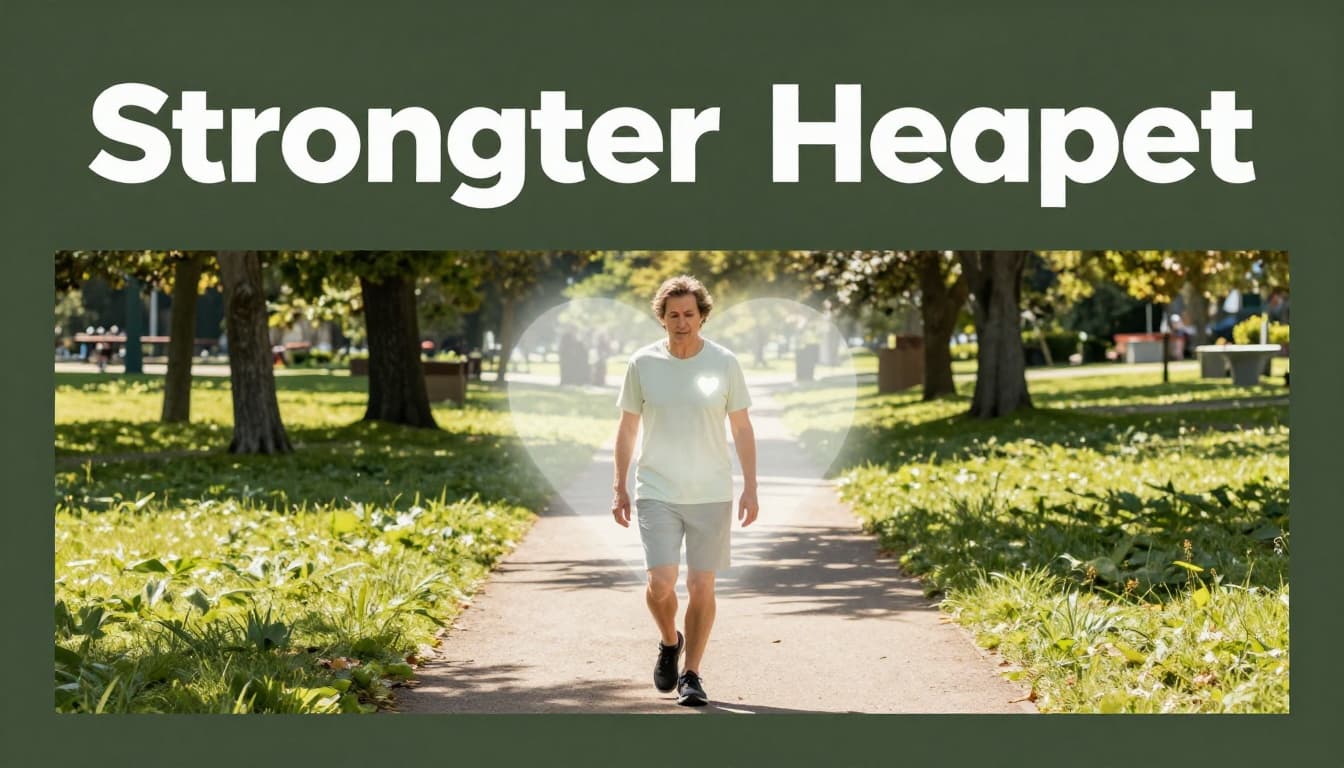
Aim for 150 minutes per week of moderate movement (for example, brisk walking). That can mean 30 minutes, five days a week. It adds up quickly, and your heart notices.
Boosts Stamina for Everyday Wins
Now for the everyday payoff: exercise helps your body use oxygen more efficiently. As your fitness improves, your heart sends blood to working muscles faster, and your muscles learn to extract and use that oxygen better. In plain terms, you feel less “winded” for the same task.
Endurance training also changes how your body handles effort. You start noticing it during small moments, like stairs that used to feel heavy or a longer walk that no longer drains you. Even playtime gets easier, because your breathing and pacing hold steady instead of spiking and crashing.
This is also where 2026 training trends are getting more attention. Low-oxygen, or hypoxic training, has become a popular endurance idea in recent years, with gyms and at-home setups using it to push the body to adapt. Research continues, but the trend is tied to improved efficiency and recovery for some people. If you try anything like this, do it with medical guidance, especially if you have heart risk factors.
No matter the trend, the routine still matters most. Moderate aerobic work (brisk walking, jogging, cycling) is the foundation for stamina you can feel daily. The CDC’s guidance on physical activity benefits applies here too, because movement supports function, sleep, and how you feel right now.
Start simple: choose an activity you can repeat. Then stay with it long enough for your stamina to build.
Strengthens Muscles, Bones, and Helps Control Weight
Exercise works like a full-body upgrade. It makes your muscles better at everyday work, helps your bones stay dense, and improves the way your body handles weight. The trick is using the right mix, especially strength training plus short bursts of harder effort.
Builds Lean Muscle and Tough Bones
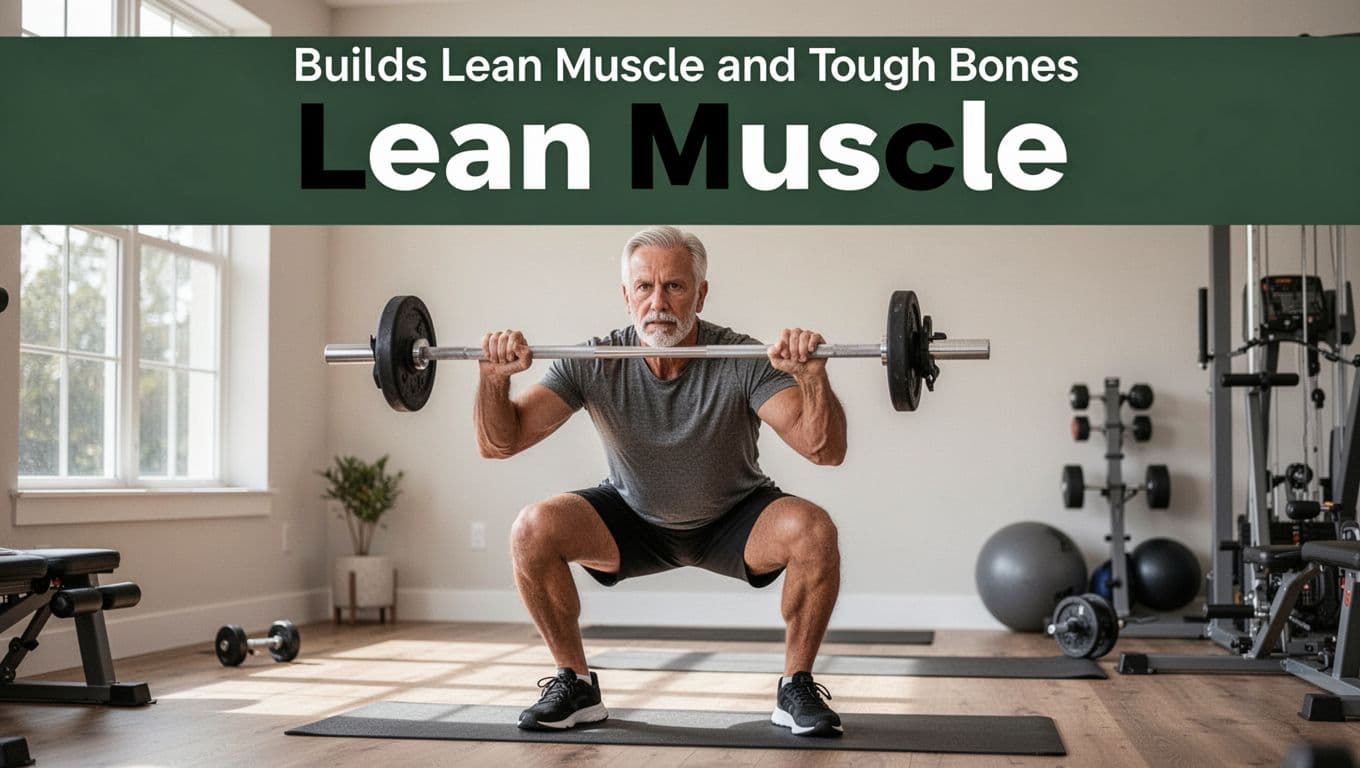
If you’ve ever noticed your balance slipping or your knees complaining, strength work is often the missing piece. Resistance training tells your body it needs stronger muscles and sturdier joints. Over time, those muscles pull on bones, which helps maintain bone density and lowers the risk of falls as you age.
For most adults, aim for 2 to 3 resistance sessions per week. You can start with simple moves like squats, step-ups, hip hinges, push-ups, and rows. Then, progress by adding a little weight or doing a few more reps as you get stronger.
Power and HIIT can add an extra punch, too. Short HIIT sessions improve heart fitness, and power-style work (like fast sit-to-stands or controlled jumps if your joints allow) trains how quickly your body can produce force. That matters for balance, quick recoveries, and safer movement in daily life.
Here’s a practical way to think about what each workout does:
- Squats, hinges, and presses: build muscle and help support the spine and hips
- Rows and carries: strengthen the upper back and core for posture
- Short HIIT or power intervals: improve coordination, stamina, and movement speed
Research summaries in the NIH literature show resistance exercise supports bone health across adults, including older groups. If you want a strong starting point, see Effects of Resistance Exercise on Bone Health.
Most importantly, strength gains build confidence. When your legs and hips feel dependable, you move more, and that keeps your whole system working.
Smart Way to Shed and Keep Off Pounds
Fat loss is not just about cutting calories. Your body also needs the right signals to keep muscle while you lose weight. That is why exercise plus a solid food plan beats random workouts and crash diets.
When you train, you burn energy during the session and for a bit after. Also, muscle acts like a more active tissue. More muscle helps your body maintain resting energy use, so your weight is less likely to rebound later.
If you’re using weight loss drugs like semaglutide, the stakes get higher. Some people lose weight quickly, but they can also lose lean mass. Newer research shows exercise helps protect fitness during GLP-1 treatment, and combining training with medication can improve outcomes compared to medication alone. For one example, see Physical Fitness with Exercise and GLP-1.
Food choices then lock in the results. Prioritize protein, because it supports muscle repair and helps you stay full. A practical target is 1.0 to 1.2 grams per kilogram of body weight per day. Spread protein across meals, so your body gets steady repair signals instead of a single big hit.
In addition, keep up the habit that makes weight control easier: move most days. The CDC recommends at least 150 minutes per week of moderate activity and 2 days of muscle strengthening. Check the details at Adult Activity: An Overview.
Here’s a simple weight-control setup that fits real life:
- Lift 2 to 3 times weekly (squats, rows, hinges, presses)
- Add brief HIIT 1 to 2 times weekly if you recover well
- Hit protein 1.0 to 1.2 g/kg daily
- Keep a calorie deficit modest, then stick with it
When you do this, you don’t just “get smaller.” You often get stronger, too. And strength usually leads to better balance, better posture, and a steadier body weight over time.
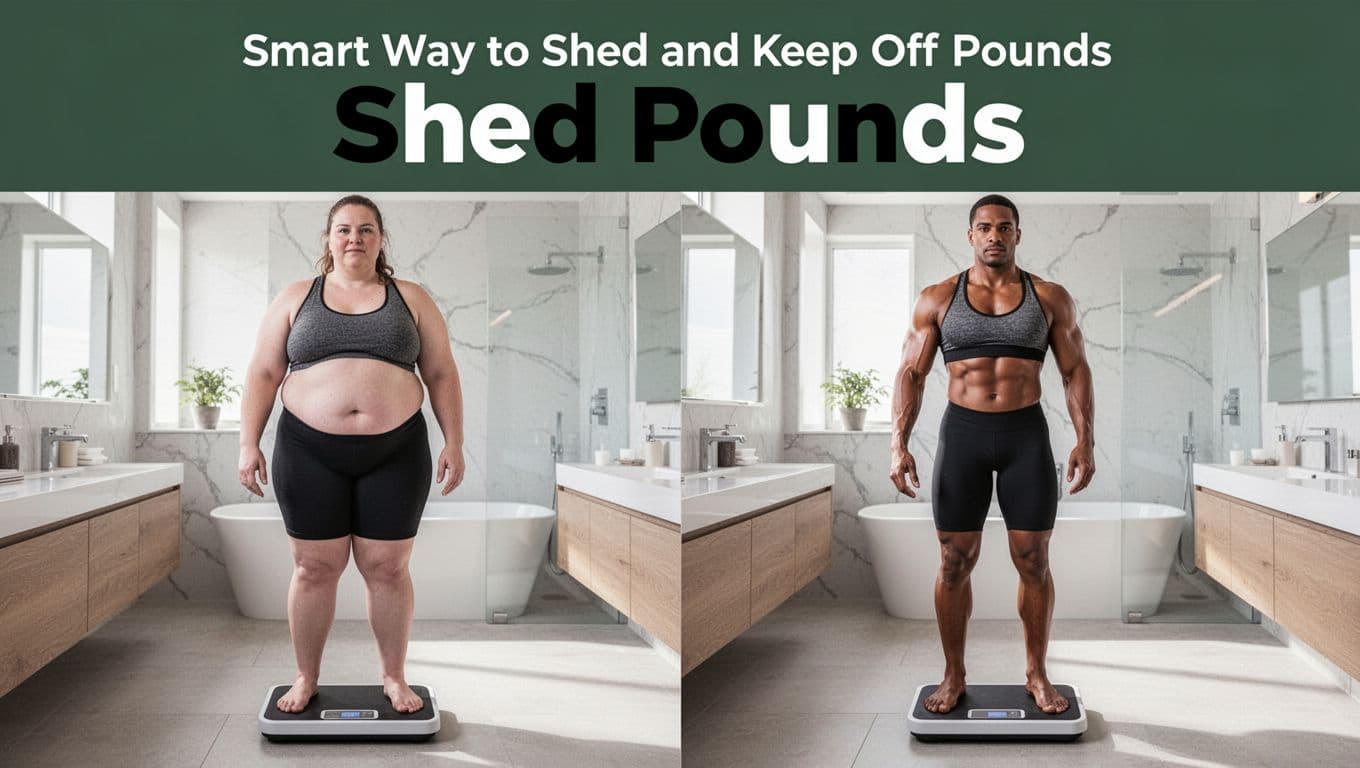
If you’ve ever tried to lose weight and felt weaker afterward, this is the fix. Keep your muscle, and your progress stays on.
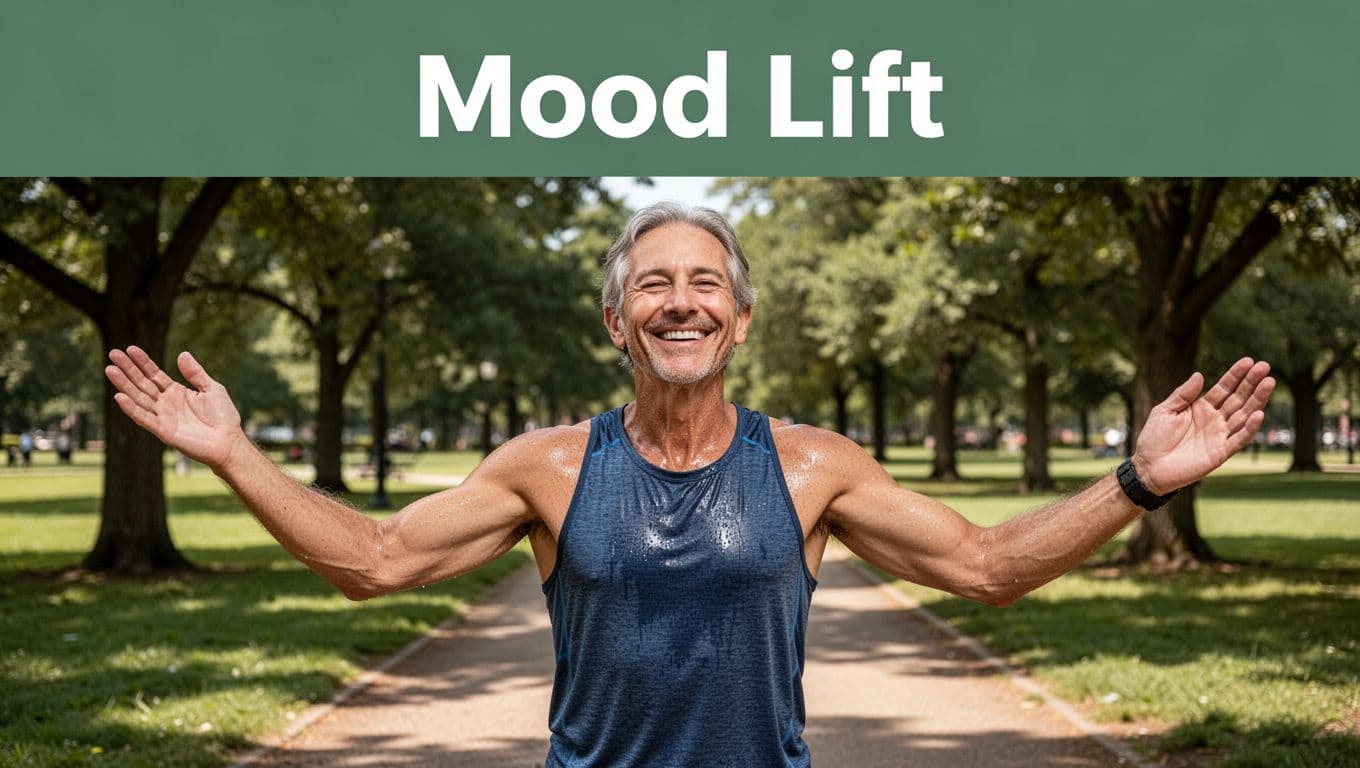
Lifts Your Mood, Sharpens Focus, and Deepens Sleep
When you exercise regularly, your brain often benefits first. Stress drops, attention improves, and your body starts to feel ready for real rest. It’s not magic, it’s biology plus habit.
That “better mood” effect can show up fast. You may feel calmer after a walk, and you may think more clearly the next day. Then, with consistent movement, your sleep often gets deeper and more stable.
Fights Stress and Sparks Joy Naturally
Exercise can feel like a reset button for your nervous system. For many people, the mental payoff hits during or right after the workout. Why? Your brain releases feel-good chemicals, including endorphins, which can reduce stress signals and improve mood.
Endorphins are only part of the story, though. Movement also shifts how your brain handles stress and focus. Some research in exercise psychology points to brain and emotion regulation pathways that can support emotional stability when you train consistently. For an example of this kind of neural evidence, see Frontiers on exercise and emotional stability.
Here’s what you might notice in daily life. First, your body releases tension. Then, your mind feels less noisy. In other words, exercise helps you trade “fight or flight” for “safe and steady.”
Brain-boosting workouts are usually not complicated. You want effort that’s challenging, but not crushing. Think of it like tuning a radio. Too little effort, and you don’t get signal. Too much, and you get static.
Try workouts that hit both mood and attention:
- Moderate cardio (like brisk walking, easy jogging, or cycling): good for mood lift and steadier thinking
- Short intervals (like 30 seconds faster, 90 seconds easier): adds focus without long grind
- Mind-body sessions (like yoga or slow strength): helps downshift stress and improve body awareness
- Rhythm-based movement (like dancing or brisk step training): keeps your mind engaged while you move
If you want a simple “brain workout” formula, use this pattern: warm up for 5 to 10 minutes, work at a steady pace for 15 to 25 minutes, then cool down slowly. You should finish feeling lighter, not wiped out.
Also, keep your workouts consistent. One great session helps, but repeated movement teaches your brain what calm feels like.
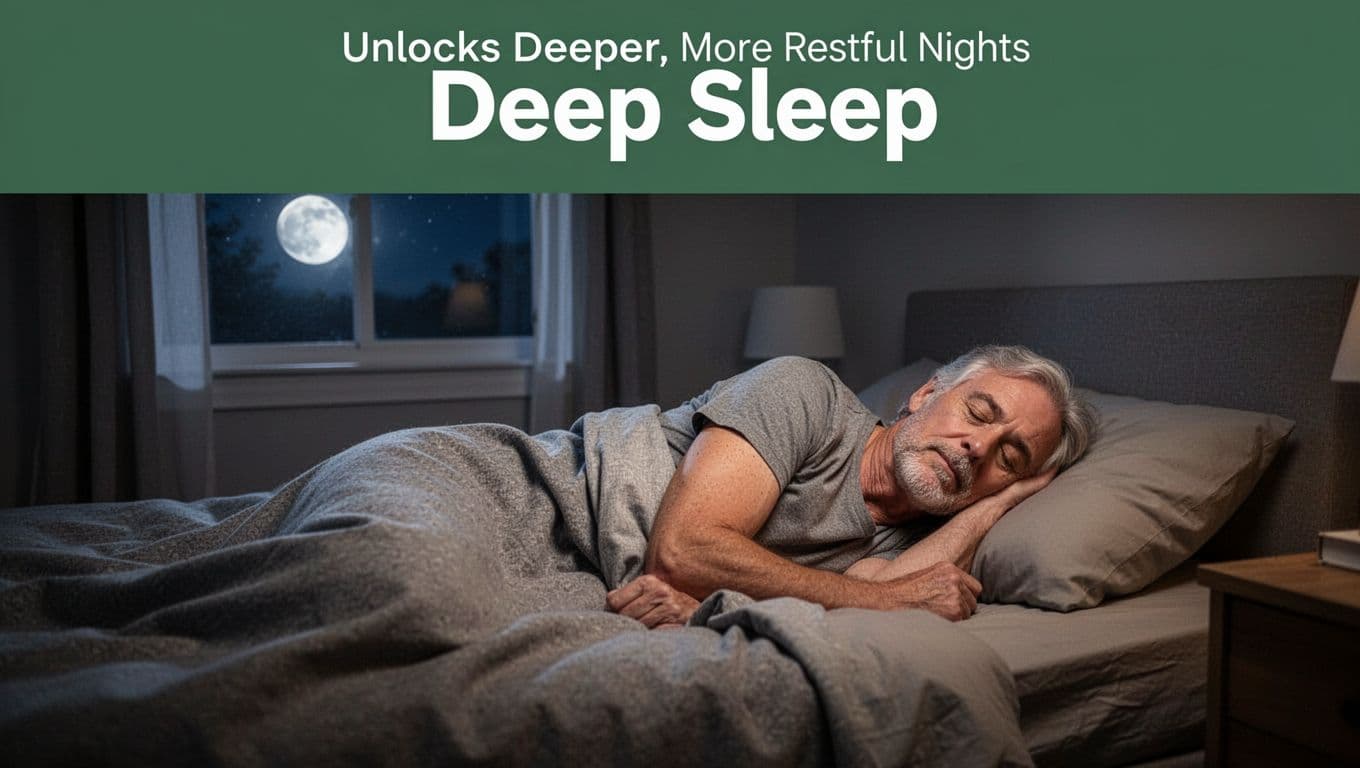
Unlocks Deeper, More Restful Nights
Exercise also supports sleep in a very practical way. When you move during the day, your body naturally feels more ready to rest at night. You tend to fall asleep easier, and your sleep feels less restless.
There’s another big reason it helps: stress reduction. When daily tension drops, your mind stops racing as much. As a result, your body can spend more time in deeper stages of sleep.
You don’t need a science degree to use this idea. Think of sleep like a campfire. It burns steady when you add the right fuel earlier in the day. Exercise is that fuel. It helps your body “use up” energy, then switch gears when darkness arrives.
What should you do, and when should you do it? Timing matters, but keep it simple.
Most people do best with:
- Morning or afternoon movement for steadier sleep pressure later
- A cool-down routine after workouts (even 5 minutes helps)
- Avoiding max-intensity right before bed, because it can keep your body revved up
If you want a broader look at how exercise affects sleep quality, see The impact of exercise on sleep. It covers how intensity and timing can shape sleep outcomes, especially across different people.
Recovery trackers can also guide your choices. They often show sleep duration and sleep timing, and some even give you recovery signals. If you’re curious about using that data well, check Sleep Foundation’s guide to sleep trackers. Just remember, the tracker is a map, not the destination.
Here’s a simple way to connect exercise to sleep without getting lost in details:
- Pick a workout type you can repeat (walks, strength, cycling)
- Finish with a cool-down so you don’t “hang on” to workout intensity
- Notice your next night’s sleep after each training change
- Adjust intensity if you feel wired before bed
You’ll often see a pattern within a week or two. Maybe you fall asleep faster after walking after dinner. Maybe you sleep better after lifting earlier in the day. Either way, your body is giving feedback.
Most importantly, let “tired” be natural. You want sleep that feels like recovery, not sleep that feels like escaping a stressful day. Regular exercise helps you earn that kind of rest.
Shields Against Diseases and Adds Healthy Years
Exercise is one of the few habits that pays you back in many ways at once. It helps your body fight major threats, and it keeps you functioning longer. Think of it like reinforcing your home’s defenses while also upgrading the wiring. You feel the benefits in daily life, and you also stack protection for years ahead.
Lowers Odds of Major Health Threats
Regular movement helps lower your odds of type 2 diabetes and it can reduce the risk of some cancers. It works through two big routes: better metabolism and stronger immune support. When you exercise, your muscles become better at using sugar, so your blood sugar swings less. At the same time, your body moves into a lower-inflammation mode, which matters for chronic illness.
You might not notice these shifts day to day. Still, the trend is clear: being active helps with both short-term function and long-term protection. The CDC summarizes that physical activity lowers risk for several health outcomes, even when you start with small, doable sessions (like regular walking). Check the overview on Benefits of Physical Activity from the CDC.
Cancer risk also shows a connection with activity. The CDC reports that being physically active lowers risk for at least eight cancer types, including colon, breast, lung, and endometrial. If you want a grounded place to start, see Physical Activity and Cancer.
Here’s the practical way to think about it: exercise nudges your body systems to work better together. Your heart, blood vessels, hormones, immune cells, and energy use all get clearer signals. Over time, that adds up to fewer “ongoing problems,” not just fewer workouts.

Proves Exercise Extends Your Best Years
Longevity research keeps pointing to a simple truth: variety matters. In a 2026 BMJ Medicine study based on two large U.S. cohorts, adults who did a wider range of activities had a 19% lower risk of early death. That benefit held even when total activity time stayed similar. In other words, doing one thing well helps, but doing more types helps more.
So what counts as variety? You can mix things that each “touch” different body systems:
- Walking or cycling for steady heart and blood vessel support
- Strength training for muscle, bone, and fall protection
- Yoga, stretching, or light mobility for balance and joint comfort
- Yardwork or gardening for real-life effort and grip strength
- Stairs, jogging, or intervals for cardiorespiratory fitness
Harvard’s summary of the BMJ Medicine findings emphasizes this same idea, plus the lineup of activity types people reported, from walking to weightlifting to gardening (see Exercise variety linked to premature mortality).
This is also why “active aging” works. You keep your best years by protecting your healthspan, not just chasing a number on a scale. Variety helps you ward off frailty, reduce metabolic risks, and calm the slow buildup behind chronic disease. It’s like giving your body multiple tools, so it can handle more seasons of life with confidence.
Enjoyable options matter most. If you like yardwork, start there. If you enjoy yoga, add it twice a week. The goal is not a perfect schedule. The goal is regular movement across different modes, so your body stays ready.
Conclusion: Make Regular Exercise Your Body’s Foundation
Regular exercise benefits show up fast, then keep paying off for years. It supports a stronger heart, builds muscle and bone, lifts mood and focus, and helps your body fend off major health risks. Best of all, it connects to longer, healthier life because your systems stay better tuned over time.
Now take one simple step this week. Pick three varied activities you can enjoy (for example, brisk walking, strength training, and yoga or stretching). Keep track of one win each day, then adjust if anything feels too hard. Small steps build big changes.
Before you start a new plan, check with a clinician, especially if you have pain, heart risk, or any medical limits. And remember this kind reminder: “Wholesome exercise in the free air, under the wide sky, is the best medicine for body and spirit.” – Sarah Louise Arnold.
What three types will you try first, and what win will you notice after seven days?