
Tossing and turning even though you’re tired feels awful. You know you need rest, yet sleep won’t land. Most people don’t need more pills or gadgets. They need a few simple habits for better rest that steady your body and calm your mind.
Better sleep is mostly about timing, your bedroom setup, food and drinks, daytime movement, and a wind-down that signals “it’s time.” When you line these up, your nights start to feel smoother. You’ll fall asleep faster, wake up fewer times, and feel more like yourself in the morning.
The best part? You can start tonight with changes that don’t take much effort. Next, you’ll build a schedule your body can trust, even on busy days.
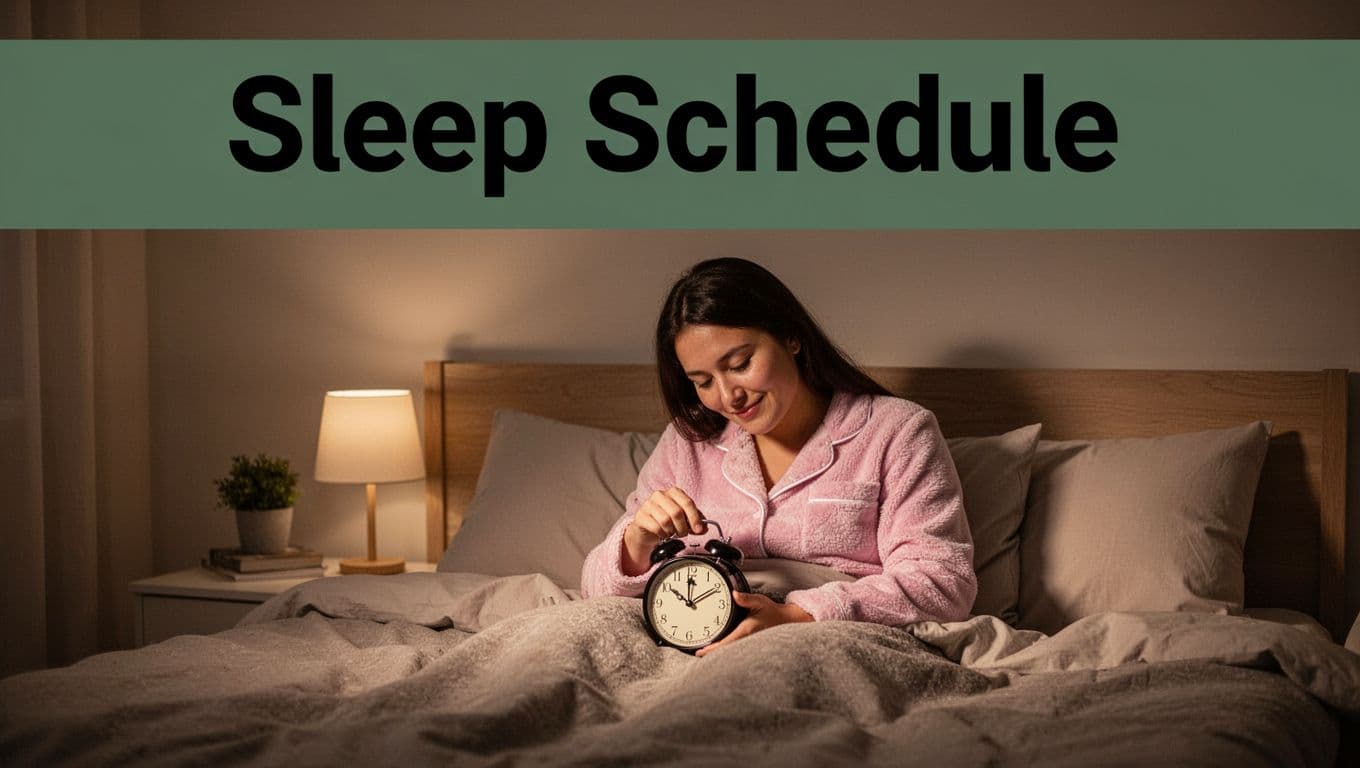
Build a Sleep Schedule That Trains Your Body’s Natural Clock
If your bedtime shifts every day, your brain never gets a clear cue. A steady schedule acts like a training signal. Over time, your body learns when to get sleepy and when to wake up.
Aim for 7 to 8 hours in bed each night, then keep the same wake-up time every day. Yes, even on weekends. That single choice helps your internal clock stay in sync.
Research on sleep habits keeps pointing to something bigger than sleep duration. For example, one open-access study looks at how sleep hygiene relates to more detailed sleep outcomes, not just hours slept (sleep hygiene research).
Here’s a simple way to set your sleep schedule without fighting yourself:
- Pick a wake time you can keep every day.
- Count backward 7 to 8 hours to find your target bedtime.
- Move bedtime gradually, by 15 to 30 minutes, if you’re far off.
- Get out of bed if you can’t sleep, then come back when you feel sleepy.
Consistency works because your body clock prefers “steady light” and “steady timing.” When you sleep in late, you shift that light cue. As a result, Monday morning feels like jet lag.
If you work shifts, you can still use this idea. Try to keep your wake time consistent within each work rotation. Also, use light strategically. Bright light during your shift can help your alertness, and dark or shaded light after your shift can help sleep.
Handle Sleepless Moments Without Stressing Out
Even with good habits, sleepless nights happen. The goal is to stop your bed from becoming a stress spot.
Use the 20-minute rule. If you’re awake and frustrated after about 20 minutes, leave the bed. Go somewhere dim. Do something calm like reading paper pages or listening to soft audio.
Then return when you feel sleepy again.
This helps because your brain starts linking “bed” with “trying hard to sleep” when you stay in bed awake too long. Instead, you teach your brain that sleep happens when you feel drowsy.
Also, skip screens during this time. The goal is to keep your mind slow and your body ready.
Beds are for sleep and rest. If you’re alert, your job is to help sleep catch up.
Turn Your Bedroom into a Cool, Dark Haven for Fast Asleep
Your bedroom should feel like a sleep cocoon. Three things matter most: light, temperature, and noise.
Start with temperature. Many sleep experts recommend a cool room around 65 to 68°F. A cooler space helps your body lower core temperature for deeper rest. If you’re warm, you’ll likely toss more.
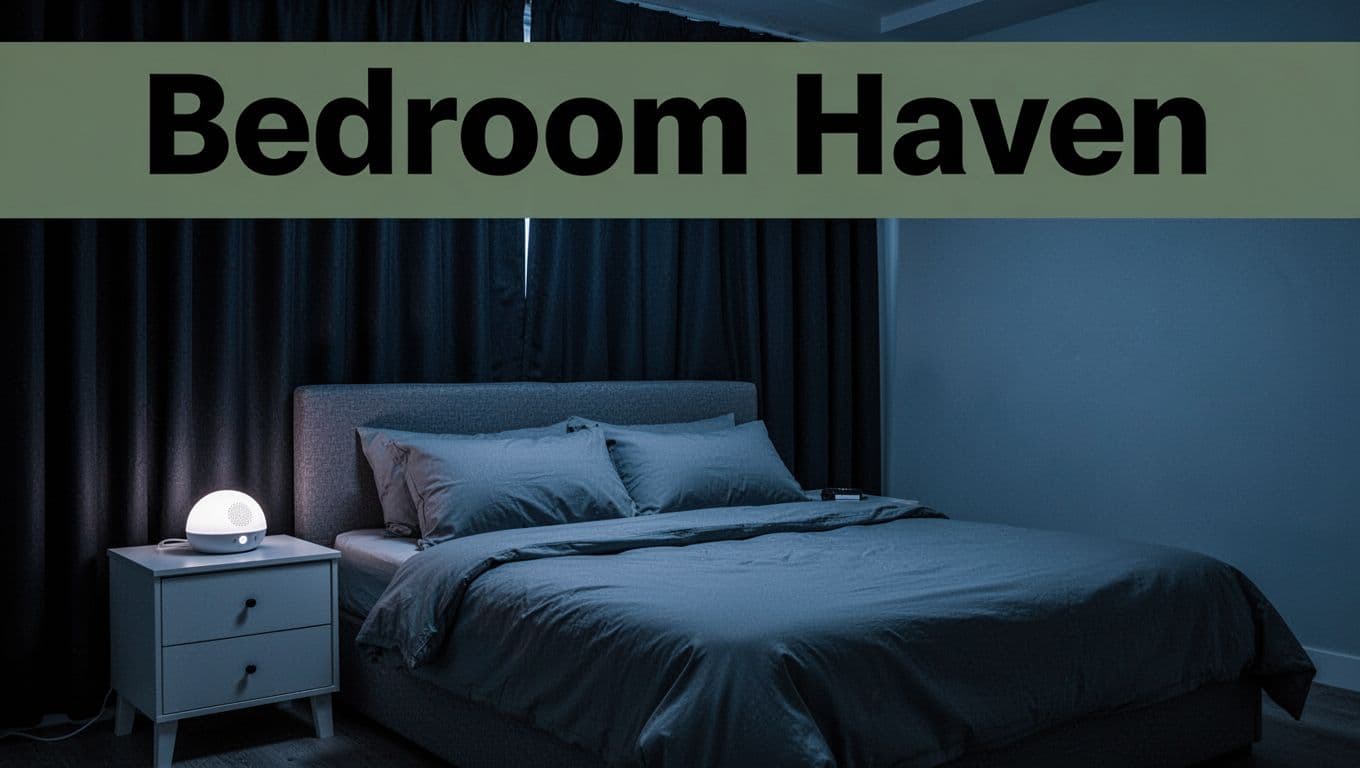
Next, make it dark. Even small light leaks can slow your brain’s sleep timing. Use blackout curtains or a sleep mask. Cover clock lights and keep phone charging lights out of view.
Then handle noise. You don’t need silence, but you do need fewer surprises. A fan or white noise machine can smooth out traffic sounds and neighbor noise.
In 2026 sleep advice trends, bedrooms are treated like “sleep infrastructure.” The point is comfort and function, not decoration. Keep the room simple, and let your nervous system relax.
Here are quick upgrades that tend to work fast:
- Dark first: blackout curtains or a mask.
- Cool it down: breathable sheets and air flow.
- Steady sound: fan, white noise, or earplugs.
Block Out Light and Sound Like a Pro
Think of light like a dimmer switch for your brain. Bright light says “wake up.” Dim and dark says “slow down.”
So, block light from three places: windows, devices, and indicator lights. Turn off your room clock display if it glows. Put your phone face down and out of sight.
For sound, try to replace sudden noises with steady ones. White noise is like a blanket for your ears. If you share walls, earplugs can also help.
If you wake up easily at small sounds, experiment. Change one thing for a week, then judge the results.
Keep It Cool and Clutter-Free for Deeper Sleep Cycles
Your body cools down as you prepare for sleep. If your room is too warm, your sleep cycles often feel lighter. Choose breathable bedding. If you run hot, a fan can make a big difference.
Clutter matters too, even if it seems minor. A messy room adds small visual “signals” to your brain. So keep your night area calm. Put laundry away. Clear off the floor.
Also reserve your bed for sleep and sex. Avoid using it as a desk for late-night stress. When the bed becomes a multipurpose spot, your brain won’t switch off as easily.
Eat and Drink Smart to Avoid Nighttime Disruptions
Food can make or break your sleep quality. You don’t need a strict diet. You do need timing.
Start with caffeine. A common rule is to cut caffeine 8 hours before bed. If that sounds hard, use a simpler cutoff: try stopping caffeine after 2 p.m. That window reduces the chance it’s still stimulating you at bedtime.
Then limit alcohol. It can make you feel sleepy at first. However, alcohol often worsens sleep quality later. You may fall asleep faster, but you might wake more often.
Finally, watch evening fluids. You don’t want to feel thirsty. Still, go lighter with liquids in the last hour or two. That helps reduce bathroom trips.
You’ll sleep better when your meals support your clock. Eat regular meals during the day. Aim for a lighter dinner. If your stomach feels too full at night, your body stays more “on.”

Ditch Caffeine and Booze at the Right Time
Caffeine hides in more than coffee. Tea, soda, energy drinks, and some pre-workout products can affect you too.
A systematic review of caffeine’s effects supports clear cutoff guidelines for protecting sleep (caffeine sleep guidelines). The key takeaway is simple. Caffeine stays in your system long enough to shorten sleep time for many people.
Alcohol is different. It may help you nod off. Still, it often fragments sleep later. That means more wake-ups and less restorative rest.
If you want a simple swap, try a warm, caffeine-free drink in the evening. Herbal tea or warm water with lemon can feel comforting. Your goal is to replace “stimulant habits” with “settling habits.”
Boost Daytime Energy Habits for Nights of Sound Sleep
Night sleep usually improves when your day has structure. Your body clock likes anchor points. Light is one anchor. Movement is another.
Start with morning light. Get outside within 30 minutes of waking. Even a short walk helps. This gives your body a clear signal about what time it is.
Next, move every day. A brisk walk counts. Regular activity supports better sleep timing and helps you feel more tired at night. Try not to do intense workouts late at night, though. If evenings tend to feel wired for you, shift exercise earlier.
Also, avoid late heavy meals. If dinner runs too late, your body may struggle to settle.
Naps can help, but they need rules.

Catch Morning Sun and Move Your Body Daily
Morning sunlight works like a clock reset button. It helps your sleep-wake rhythm line up. In many cases, it also makes it easier to fall asleep at night.
So, set a small plan: step outside soon after you wake. Then walk for 10 to 20 minutes. If it’s raining, stand near a window and get bright indoor light.
Add movement during daylight. You don’t need a gym routine. Try these easy options:
- Walk after lunch
- Take stairs for one errand
- Do a short stretch break at work
Also, keep meals regular. When you eat at random times, your body clock gets fuzzier.
Nap Right to Recharge Without Sabotaging Bedtime
Naps can be helpful, especially if you’re sleep-deprived. Still, the timing matters.
Keep naps short: 15 to 20 minutes. Do them earlier in the afternoon. A good target is late morning through early afternoon, not close to bedtime.
If you nap late, you may feel fine for a bit, then struggle at night. In short, naps should recharge you, not steal your bedtime sleepiness.
For night-shift workers, naps often replace nighttime sleep. In that case, keep naps in the “daytime” part of your shift schedule. Then protect your main sleep window with darkness and a steady routine.
Master a Relaxing Wind-Down to Drift Off Effortlessly
A wind-down routine tells your brain it’s time to shut off. Think of it like lowering the volume on your thoughts.
Keep it short: 10 to 15 minutes. The routine should repeat every night. That consistency helps your body relax before bed.
Try this simple wind-down:
- Dim lights and reduce screen time.
- Slow breathing (4-7-8 works well).
- Write down worries so they feel “handled.”
- Read something easy or listen to calm audio.
If your mind races, journaling helps. You’re not solving life at night. You’re unloading mental notes so your brain can sleep.
For parents and kids, the same idea applies. If your child is overtired, aim for an earlier bedtime. Also, handle “worry talk” with a drawing or short writing activity before lights out.

You can even borrow ideas from trusted bedtime-ritual guides. NPR also shares practical ways to calm your body and mind before sleep (bedtime rituals).
Try Breathing Tricks and Journaling to Clear Your Head
The fastest way to calm a busy brain is to use your body first.
4-7-8 breathing is simple:
- Inhale through your nose for 4 seconds.
- Hold your breath for 7 seconds.
- Exhale slowly for 8 seconds.
- Repeat 3 to 4 rounds.
Breathe like you’re fogging a mirror, slow and steady. You should feel your shoulders drop.
Journaling works too. Write one page max. Keep it messy if you want. Then list one small next step for tomorrow. That step reduces the “unfinished” feeling.
If journaling isn’t your thing, try a short mindfulness audio. The main goal is the same. You want less input and a calmer nervous system.
Conclusion
If you’re still waking up tired, don’t treat sleep like a mystery. Your body responds best to simple habits for better rest: a consistent schedule, a cool dark bedroom, smarter food and drinks, daytime light and movement, and a wind-down you actually repeat.
Pick just two changes to try for the next week. Then watch what happens to how fast you fall asleep and how often you wake up. Small wins add up.
One more thing, if insomnia keeps hurting your daily life, talk with a clinician. Better rest is worth real support. Now, what habit will you start tonight?