Your day starts fine, then work emails pile up, family needs stack next, and notifications keep buzzing. Before you know it, your body feels like it’s running on extra battery power. That’s stress in plain terms, your body’s response to pressure and overload.
Stress is not “just in your head.” It shows up in your muscles, your sleep, your mood, and even your focus. In the latest APA Stress in America findings (released in late 2025), many people reported physical and emotional stress symptoms, and stress was tied to worse mental health outcomes. Research also links long-term high stress to health risks, including cardiometabolic problems.
The good news? You can manage stress in small ways, starting today. Keep reading to learn how to spot early signs, use quick calming tools, build daily habits, make a few lifestyle swaps, and know when to get help.
Spot the Early Signs of Stress Before It Builds Up
Stress often sneaks in like fog. At first you just notice it’s harder to see. Then it slows you down, and suddenly you’re driving with less patience and more tension.
A helpful mindset: early stress signals are like a dashboard light. If you pay attention, you can respond before the engine overheats.
Recent reporting based on APA findings shows that stress is common. For example, about 75% of adults report physical or emotional stress symptoms, and many people say they felt “a lot” of stress recently. If you’ve been feeling overwhelmed, irritated, or drained, you’re not alone. For a broader look at what major surveys are saying, see what the latest stress reports say.
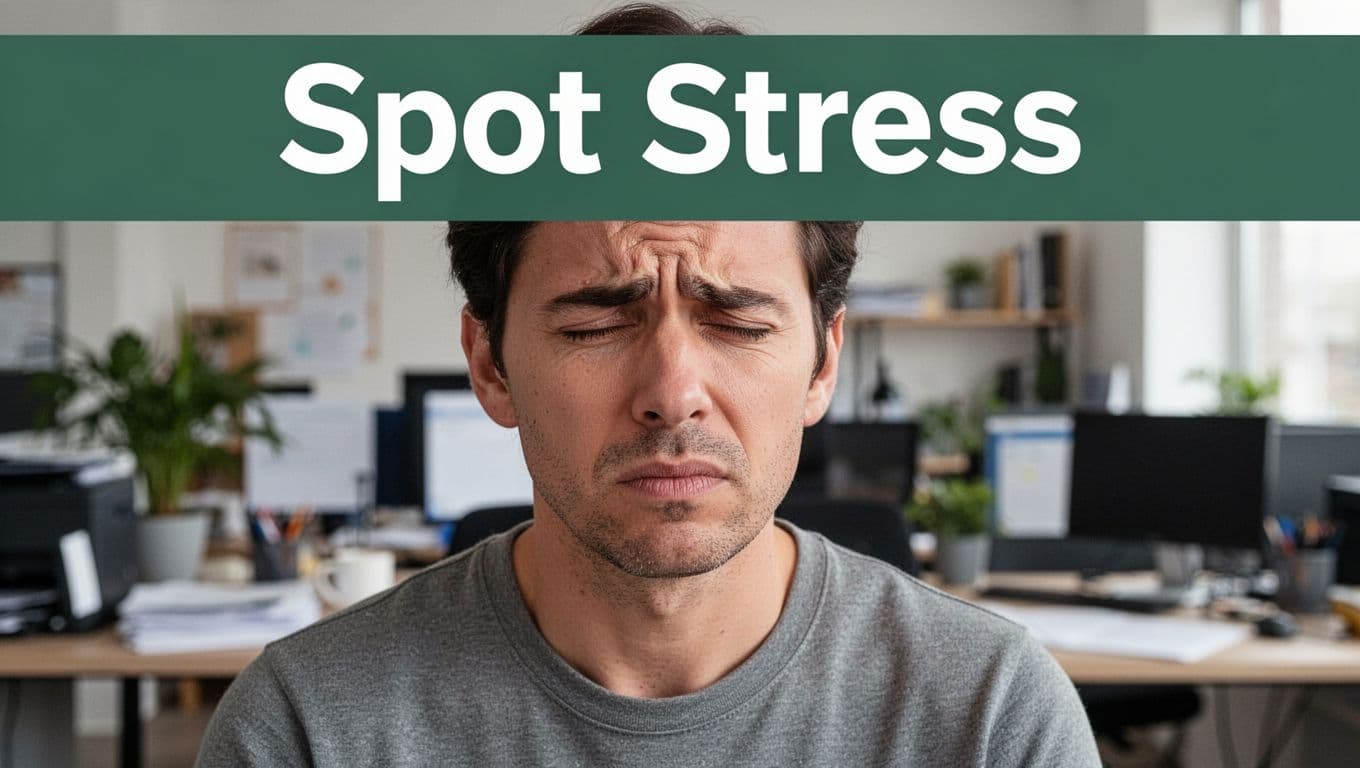
Everyday Triggers That Spark Stress
Triggers are the “match.” Your stress response is the “fire.” Some matches are obvious, like a heavy work deadline. Others are sneaky, like habits that keep your body in alert mode all day.
Common triggers you might recognize:
- Work overload: too many tasks, too little recovery time, constant “urgent” messages
- Not enough sleep: even one short night can make your patience thinner
- Screen overload: long scrolling sessions, fast videos, and nonstop content
- News intake: updates that keep your brain stuck in threat mode
- Blurry work-life boundaries: checking email at dinner, answering calls while you “relax”
Think about last week. Did you check emails right after you got home? Did you keep the TV on because silence felt awkward? These are small choices, but they can feed stress.
The key is awareness. When you notice a pattern, you can interrupt it. You don’t need a full life makeover. You need a few timely “pause” moments.
Physical and Emotional Clues Your Body Sends
Stress has a voice, even when you ignore it. Your body often speaks first, then your mind follows.
Here are common stress signals to watch for:
- Feeling overwhelmed or like there’s no way to catch up
- Tense muscles, especially shoulders, jaw, or neck
- Sleep trouble, trouble falling asleep or waking too early
- Irritability, snapping at people over small things
- Fatigue, even after you “had time to rest”
- Racing thoughts, your mind won’t stop rehearsing problems
- Tight chest, shallow breathing, or a “heavy” feeling
Sometimes stress also shows up as emotional numbness. You might feel flat, not quite sad, not quite okay. That’s still stress.
Here’s the main point: when you catch these clues early, you can reduce the chance your stress turns into anxiety or burnout. Instead of waiting until you feel terrible, you act when the signals first appear.
Quick Tricks to Calm Stress in Just Minutes
When stress spikes, you don’t need a long plan. You need relief you can use right now. Think of it like squeezing the brakes before the car hits the curve.
These quick tools work because they calm your nervous system. When your body feels safer, your thinking gets clearer. You can then handle the next task with less friction.
Below are fast options that usually take 3 to 30 minutes, depending on what you can fit in.
Breathe Your Way to Instant Calm
Try this simple breathing pattern when your mind feels busy or your body feels tight. It’s easy to remember, and it doesn’t require special equipment.
- Sit or stand tall. Relax your shoulders.
- Inhale through your nose for 4 seconds.
- Exhale through your mouth for 4 seconds.
- Repeat 5 rounds (about 1 to 2 minutes).
If counting feels annoying, just match your breath to a steady rhythm. The goal is slow and controlled, not deep and forced.
Why it helps: breathing changes your body’s stress response. Slow breathing can lower perceived stress, reduce anxiety feelings, and support calmer physiology. If you want a research-based overview of breathing practices, check breathing practices for stress and anxiety reduction.
Even if you only get through the first 2 rounds, you’re sending a signal to your body: “We’re okay.”
Take a Quick Walk or Stretch Break
Breathing calms your mind fast. Movement helps burn off the stress load your body stored.
If you can, take a 10 to 20 minute walk. Go outside if possible. Fresh air and light can make it easier to reset your mood. If you can’t leave, stretch in place or walk around your home once or twice.
Try this simple routine:
- Neck rolls (slow, small circles) for 30 seconds
- Shoulder stretches (pull arm across your chest) for 30 seconds per side
- Hip hinge or forward fold for 30 seconds
- Then walk slowly for a few minutes
After movement, you often feel less “stuck.” Your thoughts may still be there, but your body is less tense. That makes it easier to choose your next step.
When your day feels heavy, ask yourself one question: “What would make the next 10 minutes easier?” Then do that one thing.
Build Daily Habits That Shrink Stress Over Time
Quick relief helps, but it’s not the only strategy. Daily habits reduce how often you get hit by stress spikes. They’re like routine maintenance for your mind.
You’re not trying to feel calm all the time. You’re training your response. Over time, stress takes less of your energy.
Start with Short Guided Meditations
Meditation sounds fancy, but it doesn’t have to be. Start small, like 5 to 10 minutes.
If you like a voice in your ear, use a guided app. Calm is one well-known option for guided sessions and sleep support, and you can find it here: Calm meditation and sleep app.
Pick a simple style:
- breath-focused sessions
- body scan sessions
- gentle “notice and return” practices
Set a time when interruptions are less likely. Many people do better with the same time daily, like right after lunch or before dinner.
Also, keep expectations realistic. Your brain will wander. That’s normal. You gently bring it back, and that’s the whole point.
Turn Routine Tasks into Mindfulness Moments
Mindfulness isn’t only sitting still. You can practice while you do normal chores.
Here are two easy examples:
- Mindful dishwashing: notice warm water, soap smell, and arm motion
- Mindful walking: feel each footstep, watch your surroundings for 2 minutes
Even 3 minutes counts. What changes is your attention. Instead of letting your mind spiral, you give it one clear focus.
This works because irritation often grows when you feel trapped in autopilot. When you pay attention, your body feels less cornered.
Journal to Unload and Understand Your Stress
Journaling is a clean way to get thoughts out of your head and onto paper. It’s not about writing poetry. It’s about honest output.
Try a quick format:
- What’s stressing me most today?
- What am I afraid will happen?
- What’s one small action I can take?
If you notice the same theme every time, that’s useful data. It helps you see patterns, like fear of disappointing others or pressure to respond instantly.
Some people also journal at night to support sleep. You can do a “brain dump” before bed. Then you close the notebook and tell yourself you’ll handle it tomorrow.
Over time, journaling can help you spot what triggers you and what helps you recover.
Make Lifestyle Swaps for Stress-Free Days
Habits create your baseline. If your baseline is tired, wired, and overbooked, stress hits harder.
Lifestyle swaps don’t mean “perfect.” They mean stronger foundations.
A 2026 Binghamton University study looked at how habits relate to psychological flexibility, the ability to handle thoughts and feelings without getting stuck. The study found links between better flexibility and habits like eating breakfast regularly, getting enough sleep, and getting exercise.
Here’s the practical angle: when your body and mind are cared for, you cope better.
Below is a table of high-impact swaps that fit real schedules.
| Lifestyle swap | Stress payoff | How to start this week |
|---|---|---|
| Fix sleep timing | Less burnout, steadier mood | Pick a consistent bedtime window |
| Breakfast + movement | Better resilience and focus | Add a quick breakfast 5 days |
| Set media boundaries | Fewer threat signals | No after-hours work email |
Small steps build up. Think of it like stacking blocks. One block matters, but steady stacking changes the whole structure.
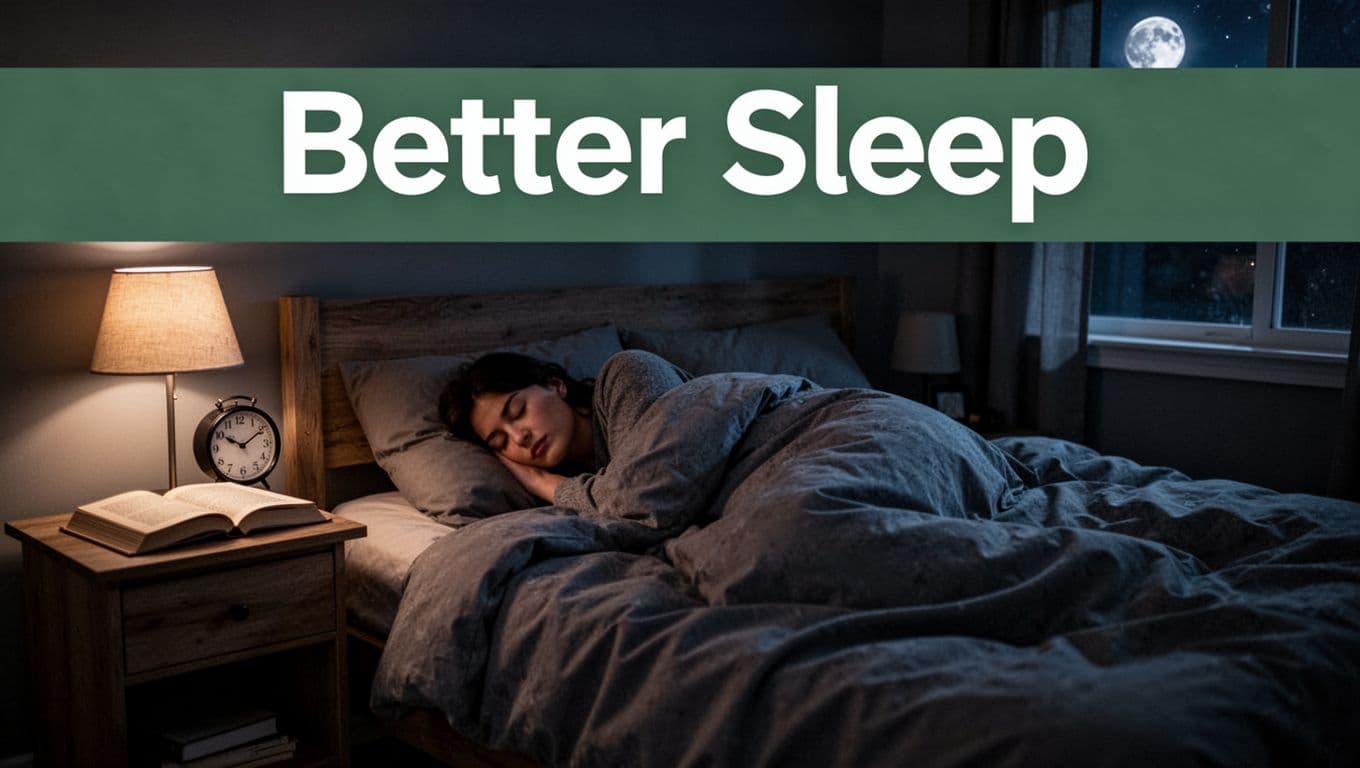
Fix Your Sleep to Recharge Fully
Sleep is your stress buffer. When you cut it short, your brain has less room to regulate emotions.
Try these sleep upgrades:
- keep the same bedtime and wake time most days
- make your room cool and dark
- use a screen-free wind-down routine when you can
If you often scroll in bed, your brain stays alert. As a result, stress can feel louder at night.
Fuel Up with Breakfast and Movement
Skipping breakfast can make stress harder to manage. Hunger ramps up irritability and worsens focus.
Also, movement helps your body release stress tension. You don’t need a marathon. A brisk walk counts. Light strength work counts too.
If you’re busy, aim for consistency:
- breakfast at least 5 days per week
- exercise for 20 minutes on most days you can
Then watch what changes. Your mood can feel more stable. Your stress response can feel less intense.
Set Boundaries and Connect More
Stress thrives on overload. It also thrives on isolation.
Try these boundary ideas:
- stop checking work email during dinner
- limit news or social media to set times
- build one connection moment each day, even short
Connection can be as simple as a quick call, a text, or coffee with a friend. When you feel supported, stress doesn’t sit on you as long.
Also, practice saying no without guilt. You can’t do everything. When you choose your time well, you protect your energy.
And remember, boundaries aren’t mean. They’re clarity.
When to Get Help for Tough Stress
Sometimes stress isn’t just “a tough week.” It’s a pattern that won’t shift. That’s your sign to get extra support.
Consider professional help if stress:
- lasts for weeks without improvement
- messes with your sleep, eating, work, or relationships
- brings panic feelings or constant dread
- causes hopeless thoughts or fears that won’t stop
- includes thoughts of harming yourself or not wanting to live
Getting help is smart strength. Therapy can teach stress skills, support emotional processing, and help you reduce burnout patterns. You can also talk with a doctor if physical symptoms are intense or new.
If you’re unsure where to start, this guide on when to seek help can help you sort it out: signs it’s time to seek professional help.
Also, you can look for community options. Some areas now offer virtual mindfulness groups. That can be a friendly first step.
Conclusion
Stress will show up in your life, because life has pressure. The difference is what you do with that pressure. When you spot early signs, use quick calming tools, and build daily habits, stress becomes more manageable.
Start small today. Take one breathing break, then do one next-right action. If stress feels too heavy for too long, reach out to a professional or trusted person.
What’s one calming step you can try this week? If you want, share your win, even if it’s small. Small wins can quietly add up to real calm.