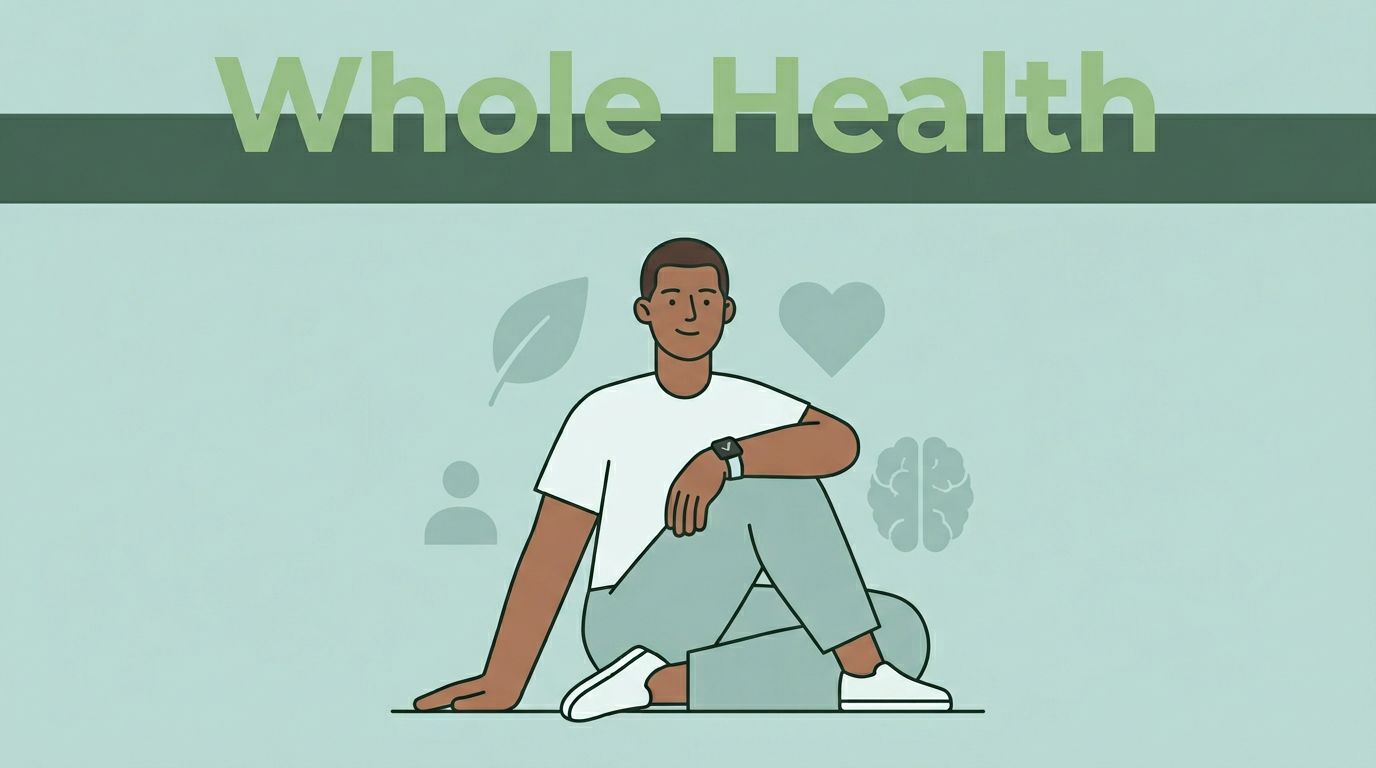
Quick fixes are tempting. A new diet. A tough workout. A detox week. But what does it mean to be healthy when the hype fades?
The World Health Organization defines health as more than “no illness.” In its 1948 Constitution, health is “a state of complete physical, mental and social well-being,” not merely the absence of disease. That definition still holds in 2026. The link between health and everyday life is the key idea here: you’re building whole-person well-being, not just treating symptoms.
Modern health talk has also broadened. People now pay more attention to emotional regulation, spiritual peace, and environmental support. At the same time, 2026 trends focus on nervous system care and AI-driven personalization, using real data from wearables and apps.
So instead of chasing one “perfect” routine, you’ll learn how to understand health as a system. Then you can take small steps that actually stick.
The Core Pillars of Health According to Experts
Most experts start with three pillars: physical, mental, and social well-being. The WHO definition groups health this way, which is why it still feels useful even in a year full of new trends. If one pillar breaks down, the other pillars often feel harder too.
Think of your health like a three-legged stool. Remove one leg, and you don’t just wobble. You change how the whole stool holds you up.
Health is more than “being disease-free.” It includes how you function and how you connect.
For grounding, you can review the original wording in the Constitution of the World Health Organization. If you want a deeper academic lens, this paper deconstructs the WHO health definition without losing the practical meaning.
Here’s the difference in plain terms:
| Focus | What it looks like day to day | What it misses |
|---|---|---|
| Absence of disease | No major symptoms, lab values look okay | Energy, mood, and relationships can still struggle |
| Complete well-being | You feel steady, cope with stress, and stay connected | “Perfect” health is not required, but progress is |
In 2026, public health messages still push science and cooperation. WHO campaigns tied to universal health coverage (UHC) remind countries to reduce barriers, so people can get care early. That same idea matters for your own life too, because support systems shape outcomes.
Next, let’s break down each pillar in a way you can actually use.
Physical Health: More Than Just a Fit Body
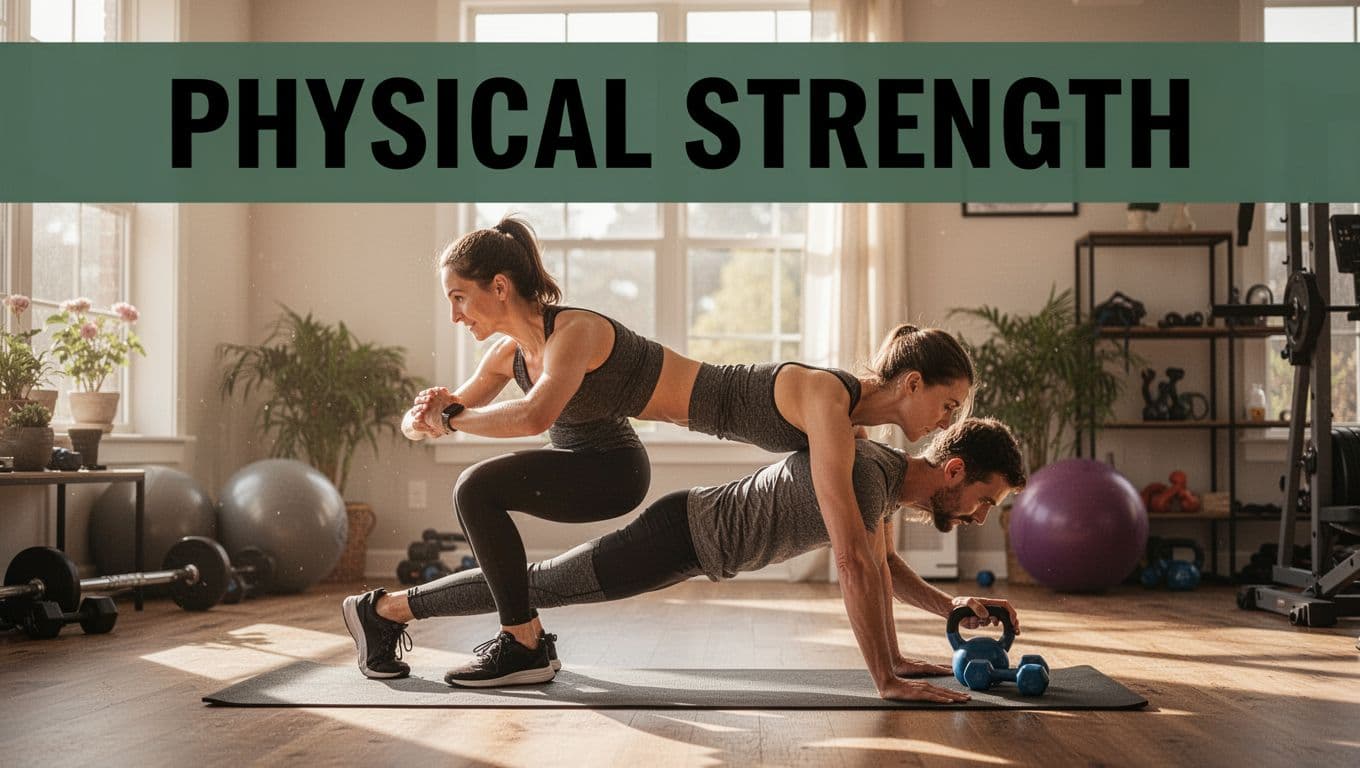
Physical health is how your body runs, day after day. It’s energy. It’s strength. It’s organs doing their jobs. It’s also recovery, sleep quality, and how you respond to stress.
In 2026, you’ll see people moving in shorter, smarter bursts. Micro-workouts (like 5 to 10 minutes a few times daily) help you stay consistent when life gets busy. Nutrition trends also point toward fiber-rich foods for gut health, since your gut supports digestion and immune function. Cold exposure and red-light therapy show up more often in wellness circles too, mainly because people track how they feel after.
Still, you don’t need a gadget. Practical signs of physical health include steady energy, fewer “crashes,” and sleep that leaves you feeling refreshed. Your body also tends to tolerate normal stress better, like travel, harder days, or busy weeks.
One easy daily habit to start is this: take a short walk after a meal. Five to fifteen minutes helps digestion, supports blood sugar control, and gives your body a calm rhythm.
Mental Health: Clear Mind and Stress Control
Mental health is not constant happiness. It’s emotional steadiness and clear thinking under pressure. It also includes how you handle stress, setbacks, and uncertainty.
Here’s the shift in 2026: many people now treat the nervous system as a main target. That means practices that help you downshift your body. Breathwork is one of the simplest examples. If you try 4-7-8 breathing, slow exhale, and repeat, you’re training your body to feel safer.
Somatic practices can help too. They bring attention back to sensations, like feet on the floor, jaw unclenching, and shoulders dropping. In addition, some wearables track heart signals linked to stress and recovery. HRV (heart rate variability) is one popular metric. When your baseline stays steadier over time, you often cope better.
You can also see this trend discussed in neurowellness and nervous-system regulation. It’s not a replacement for medical care, but it supports the bigger theme: calm is trainable.
And remember, joy and rest beat constant hustle. If your mind races all day, your body pays the price later.

Social Health: Strong Connections That Lift You Up
Social health is your relationships, your sense of belonging, and the support you can count on. It also includes teamwork, shared activities, and healthy boundaries.
You can “optimize” your meals and sleep, yet still feel drained if you’re isolated. Loneliness affects stress hormones and sleep quality. It can also reduce motivation, because life feels less meaningful without other people in it.
In 2026, group-friendly wellness trends keep showing up: group yoga, nature walks, community classes, and casual meetups. These aren’t magic. They just help you practice consistency in a way that feels human.
Here’s a simple example. If you do a workout alone, you might quit after two weeks. But if you join a weekly class, you get accountability and social energy. That boosts follow-through, not just mood.
When health feels like a shared project, your habits last longer.

Holistic Health Expanded: Emotional, Spiritual, and Environmental Sides
The WHO pillars cover a lot. Still, modern wellness adds layers that explain why people feel “off,” even when they hit the gym and track steps.
You can think of holistic health as a wider lens. It keeps the core pillars, then expands into experiences that shape daily life.
Also, AI personalization and nervous system care show up here. In 2026, wearables and apps can help you see patterns, like how sleep changes HRV or how stress affects your movement. If you want a plain-language overview of what AI wearables try to do, see AI health monitoring wearables advances.
The goal isn’t to become a data scientist. The goal is to match your care to your real patterns.
Emotional Wellness: Regulate Your Nervous System for Calm
Emotional wellness is your ability to feel, process, and recover. It’s not about ignoring emotions. It’s about not getting stuck in them.
Since stress shows up in the body, nervous system regulation is a common theme. Practices include slow breathing, gentle movement, and pleasure activities that shift you away from survival mode. Biofeedback and app-based coaching sometimes use metrics like HRV or breathing rate to show your progress.
One myth to drop is this: “More pain equals more progress.” Over-exercise can backfire. If you push too hard, your body may stay tense. Sleep may get worse. Cravings and mood can swing.
Aim for regulation, not punishment. A good rule is simple: if your rest improves, your plan is probably working.
Spiritual Health: Find Peace Without Screens
Spiritual health doesn’t have to mean a specific religion. It can mean feeling connected to something bigger than your daily stress loop.
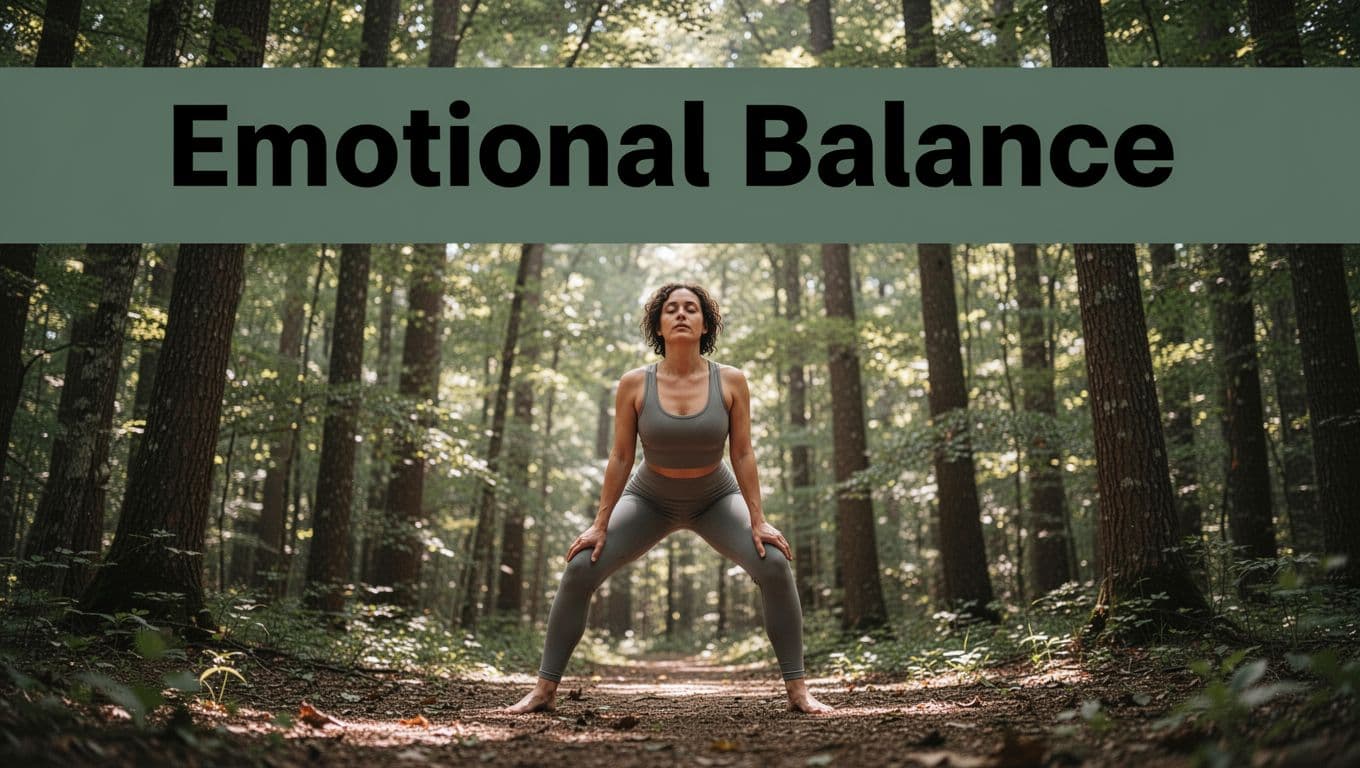
In 2026, people often talk about “less screen, more presence.” That can look like restorative yoga, mindful movement, or a short daily practice with no performance pressure. It can also look like creating screen-free space, especially before bed.
A spiritual practice works best when it gives you calm. It helps you feel less scattered. It also helps you enjoy simple moments again, like coffee in silence or a quiet walk.
Try a grounding practice once this week: go outside and notice five things you can see, four you can feel, three you can hear, and two you can smell. That’s not complicated. It’s just attention.
Environmental Health: Let Nature Heal You
Environmental health is how your surroundings affect your body and mind. That includes air quality, light exposure, time outdoors, and even what you bring into your home.
Forest bathing is popular for a reason. Slow walks in nature can lower stress and support mental recovery. Sunlight also matters, because it helps set circadian rhythms. When your sleep timing improves, your mood often follows.
People also focus more on reducing microplastics exposure. You can’t control everything, but you can make choices. Use safer storage when possible, choose lower-waste products, and avoid heating food in materials that break down easily.
Even your home layout matters. Light, airflow, and a calmer space can make other habits easier. When your environment supports health, you don’t have to fight your day.
Measure Your Health Realistically and Take Action
“What should I measure?” is a common question. The best answer is: measure what helps you notice patterns.
Wearables can track sleep timing, resting heart rate, and HRV. Bloodwork can reveal trends in blood sugar, inflammation markers, and other health signals. Gut-focused tests can sometimes offer clues about microbiome patterns, though they’re not perfect. Still, they can guide food experiments.
Be careful with quick fixes. Most “magic” plans fail because they ignore your recovery and stress load. Your body responds to consistency, not drama.
Here’s a simple way to think about evidence versus effort:
| Area | Common tools | What they help you do |
|---|---|---|
| Recovery and stress | HRV, sleep, resting heart rate | Adjust training and rest before you crash |
| Metabolic health | Glucose trends, bloodwork | Improve energy and reduce risk over time |
| Gut and inflammation | Food logs, gut tests, bloodwork | Choose foods that feel good long-term |
| Overall health signals | Checkups and clinician-guided tests | Confirm what you suspect and catch issues early |
Start small. Choose one habit you can keep for a month. If it improves your energy, mood, or sleep, keep going.
Then repeat next week with another small change. That’s how you build real health, not temporary motivation.
Top Tools to Track Your Progress
In 2026, tracking tools are more common than ever. Still, you don’t need all of them. Pick one per area, then stay consistent.
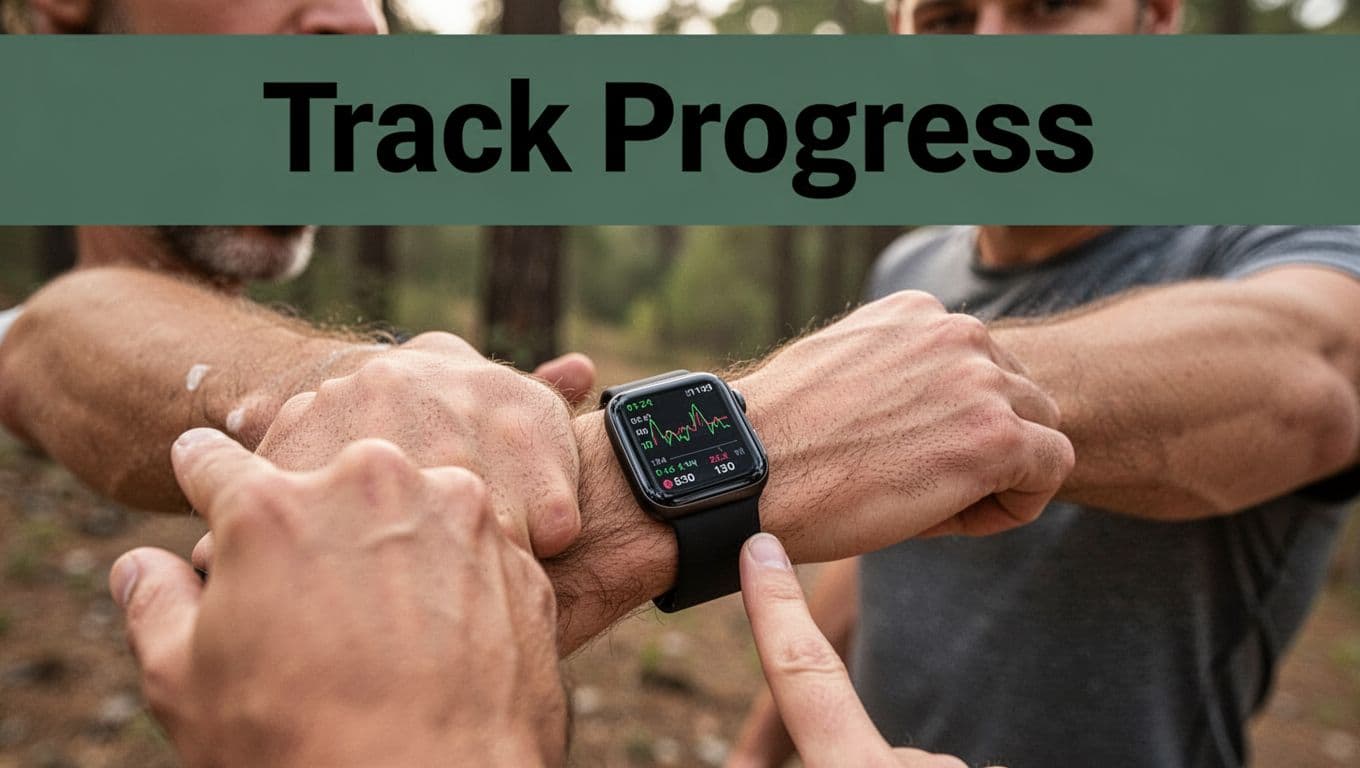
HRV wearables help you notice stress and recovery patterns. Look for trends, not one-day spikes. At-home gut tests can be useful for food guidance, but treat results as starting points. AI coaching apps can simplify planning, especially when they personalize tips based on your sleep and activity data.
If you want a realistic tool stack, start with these:
- A wearable that tracks sleep and HRV (for trends)
- A periodic checkup with basic bloodwork (for confirmation)
- A food and mood note system (because feelings matter)
Daily Habits That Build Lasting Health
If you want a simple “one habit per week” approach, use this framework.
For physical health, try weighted walks (light weight) or a fiber-forward meal you actually enjoy. For mental health, do daily breathwork, even for two minutes. For social health, pick one community moment, like a class, a club, or a shared walk with a friend.
Emotional wellness can be supported with a short somatic reset after work. Spiritual health can be supported with screen-free quiet time. Environmental health can be supported with one nature block a week.
The point is balance. When one area improves, the others often follow.
Conclusion
So what does it mean to be healthy? It means building complete well-being across physical, mental, social, and the expanded layers people now care about in 2026.
You don’t need perfection. You need direction, then small steps you can repeat. Start today with one habit from the areas you want to support most.
If your habits create steadier energy, calmer emotions, and stronger connection, you’re doing the right work. What one change will you commit to for the next seven days?