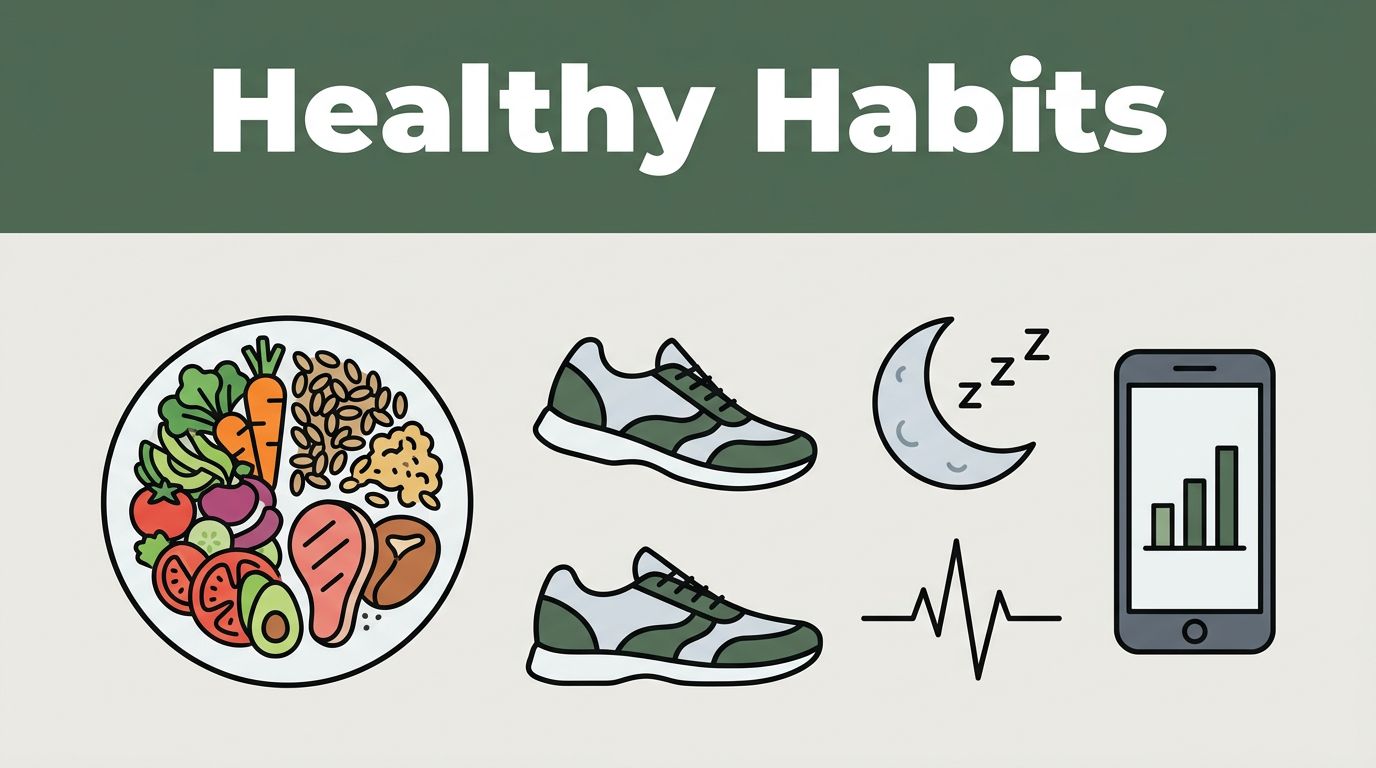
You can’t outrun your habits. One large 2024 study of over 276,000 veterans found that eight healthy habits explain 64% of death risk, and each habit cut mortality by 5% to 56%. That’s a big deal, because it means health isn’t random.
Your daily lifestyle shapes your body from the inside out. Food choices, movement, sleep, stress control, social ties, smoking status, alcohol use, and even screen time all influence how your heart, blood sugar, immune system, and brain work.
In the next sections, you’ll see how these habits connect to major diseases like heart issues, diabetes, and cancers. You’ll also get clear, doable ideas you can start this week, because small changes in these areas lead to big health wins. We’ll also touch on 2024 to 2026 trends like personalized nutrition and lifestyle medicine’s six pillars.
How Smart Eating Fights Off Major Diseases
Food is not just fuel. It’s also information your gut and immune system read every day. When you eat a mostly whole-food pattern, your body gets more fiber, vitamins, minerals, and plant compounds. As a result, inflammation tends to drop, metabolism becomes easier to manage, and your defenses strengthen.
Healthy eating also matters for chronic disease risk. Research links diet quality to lower chances of obesity, type 2 diabetes, heart disease, and some cancers. For instance, the NIH has an overview of how plant-based diets fit into preventive medicine and may support long-term health outcomes: Plant-Based Diets and Their Role in Preventive Medicine.
You might also see an important cancer statistic in recent nutrition discussions: healthy diets could prevent about 7.4% of lifestyle-related cancers. That doesn’t mean one meal prevents disease overnight. It does mean your overall pattern matters.
Another 2024 to 2026 shift is moving beyond “eat more fiber” advice. More people want food plans based on their gut microbiome. That’s where targeted probiotics and prebiotics show up as part of gut personalization. Instead of betting on one magic supplement, people look at how different foods affect their digestion, energy, and mood.
Here’s the practical angle: better food choices usually lead to steadier energy, easier weight control, and better immune balance. Plus, your brain often feels it too. When your gut and blood sugar stabilize, stress can feel more manageable.
Build Your Plate Around Plants and Whole Foods
If you want a simple starting point, use the “plant-heavy” approach. It doesn’t require perfection. It just means your plate leans toward plants and minimally processed foods.
Try this pattern for more meals:
- Add berries or citrus for color and fiber.
- Choose leafy greens (spinach, kale, mixed lettuce).
- Include nuts and beans for protein and fullness.
- Pick whole grains like oats, brown rice, or quinoa.
These swaps can help fight inflammation and support healthier metabolism. They also feed the gut microbes that influence immunity and brain health.
Even attitude shows up in outcomes. One study reported a beta of 0.16 for how a positive lifestyle attitude related to better daily healthy meals. In plain words, when you treat health as a daily practice instead of a mood, your food choices often follow.
Want a no-stress method? Start with one plant-forward meal per day. Keep it repeatable. For example, do a breakfast bowl with oats, berries, and nuts. Or make lunch a bean-and-green salad with a simple dressing.
Also, think about replacements, not restrictions. Instead of aiming to “stop snacks,” swap processed snacks for:
- carrot sticks and hummus
- apple slices with peanut butter
- yogurt plus fruit (if that fits your plan)
- roasted chickpeas
Small swaps pile up. After a few weeks, the new pattern starts feeling normal.
Watch Out for Processed Foods and Excess Sugars
Processed foods can be tricky. They’re designed to taste good and keep you eating. Many are high in refined carbs, added sugars, salt, and unhealthy fats. Over time, that mix can raise your BMI and make insulin resistance more likely.
Excess added sugar also affects more than weight. It can worsen energy swings, increase cravings, and nudge inflammation upward. Meanwhile, processed meats are another clear risk area. Multiple lines of research link higher intakes of processed meat to increased cancer risk, so it’s smart to limit them.
You don’t need a nutrition degree to improve your label reading. Start with three quick moves:
- Check the ingredient list. If it’s full of items you can’t pronounce, pause.
- Choose whole foods over packaged foods when possible.
- If you buy packaged items, keep them as occasional choices.
Here’s a simple weekly rule: limit processed meat to about once per week. If you eat it less, even better. Then aim for more meals built around beans, fish, tofu, or poultry plus plants.
Eating well should feel like building strength. Not punishment.
Move Your Body to Boost Energy and Longevity
Most people already know movement matters. Still, it’s worth saying clearly: inactivity is one of the biggest health risks. In that same big picture from the eight-habits research, physical activity stands out because it changes risk in a major way.
Movement improves your heart, lungs, muscles, and metabolism. It also supports brain function, because exercise increases blood flow and helps regulate stress systems. If you’ve ever felt calmer after a walk, that’s not “in your head.” Your nervous system responds.
A large cohort analysis in JAMA Network Open looked at activity and death risk across ages. The findings support a key message: more physical activity tends to associate with lower all-cause mortality, even after accounting for other factors: Physical Activity and All-Cause Mortality.
Exercise also helps with “invisible” issues. It can reduce higher blood pressure risk, improve blood sugar control, and protect against muscle loss as you age. That matters because loss of muscle, or sarcopenia, can snowball into slower function and more injuries.
In 2026, many wellness trends focus on metabolic markers you can actually influence. People want plans that build muscle, improve fitness, and reduce stress load. That fits lifestyle medicine well.
If you’re not sure where to begin, start with the goal most guidelines agree on: about 150 minutes per week of moderate activity, plus strength training twice weekly. You can split it into small chunks.
Mix Cardio and Strength for Full Benefits
Think of your workout like a two-engine car. Cardio powers your heart and endurance. Strength protects your body for daily life.
Cardio options include:
- brisk walking
- cycling
- swimming
- dancing
Strength training can be as simple as bodyweight or dumbbells. Yoga can help too, especially for balance and mobility.
The payoff is real. More muscle supports better posture, healthier joints, and stronger insulin sensitivity. Meanwhile, aerobic exercise helps your cardiovascular system work more efficiently.
If you want an easy plan, try:
- 30 minutes of brisk walking, 5 days a week
- 2 days of strength (20 to 40 minutes)
No gym? No problem. Use stairs. Do squats to a chair. Use resistance bands. Even short strength sessions count.
One more point: workouts can help your mind. Exercise can reduce stress and improve sleep quality. Over time, that improves overall health more than you might expect.
Make Activity Part of Every Day
Now let’s talk about the “boring” habit, because it can be the difference-maker. Many people sit too long. Then they try to “make up for it” with one workout.
Instead, add movement throughout the day. Small breaks help your body clear glucose, loosen joints, and reduce stiffness.
Try these ideas:
- Stand up for a few minutes each hour.
- Take the stairs when it’s safe.
- Walk during calls (if you can).
- Do a 5 to 10 minute walk after meals.
Even short walks can help blood sugar after eating. Plus, you get mental reset time, which can lower stress.
If you’re juggling work and family, focus on “minimum effective dose.” Your goal is consistency, not burnout. When movement becomes part of your day, longevity gets easier.
Master Sleep, Tame Stress, and Strengthen Bonds
Your health doesn’t separate into neat categories. Sleep, stress, and relationships overlap like threads in fabric.
Lifestyle medicine is often taught with six pillars: nutrition, physical activity, sleep, stress management, social connection, and avoiding risky substances. These aren’t separate projects. They work together.
For example, poor sleep can raise stress hormones. Then stress makes it harder to sleep. Social strain can also affect your mood and recovery. That’s why many people feel “stuck” until they address more than one habit.
Here are practical targets that match real health needs:
- Aim for 7 to 9 hours of sleep for better well-being and healthier weight patterns.
- Use stress tools daily, even if it’s for five minutes.
- Build social contact that feels supportive, not forced.
In 2024 to 2026, more people treat stress as a physical health driver. Calm the nervous system first, then tackle diet and fitness. That approach fits the trend toward lifestyle medicine for prevention and chronic care support.
A new angle also shows up in mental health tools. Many people, especially younger adults, use practical regulation methods like breathwork, guided practice, and nature time to reduce burnout.
Also, loneliness is not just emotional pain. It can affect sleep and health outcomes. That link matters.
Get 7 to 9 Hours of Restorative Sleep Nightly
Sleep is where your body repairs. It also sets up how you handle cravings and stress.
If you want better sleep without fancy gear, start with the basics:
- Keep a consistent bedtime and wake time.
- Make your room dark and cool.
- Avoid screens right before bed.
- If your mind races, write down worries and next steps.
Screens can keep your brain alert. Blue light is one issue, but it’s not the only one. Content can also boost stress and attention.
Also, consider your caffeine timing. If you drink coffee late, sleep depth often drops. If you struggle nightly, try moving caffeine earlier by a few hours for a week.
Better sleep doesn’t just help mood. It also supports healthier appetite signals and recovery from workouts.
Simple Ways to Dial Down Daily Stress
Stress control doesn’t mean “never feel stressed.” It means you recover faster.
Try one simple tool and repeat it daily:
- slow breathing (longer exhale than inhale)
- short meditation or guided audio
- a 10 minute nature walk
- gentle stretching
These routines help lower the stress response. Then sleep tends to improve too.
Here’s the key link: when stress stays high, your choices often worsen. You might skip exercise, eat more refined snacks, or scroll longer at night. When stress drops, you usually make better decisions without extra willpower.
Why Friends and Family Matter for Your Health
Social connection helps your health in ways you can feel. It also affects outcomes you might not see right away.
When you have supportive people, you get emotional support and practical help. That reduces isolation and can lower stress load. Over time, it can support better sleep and healthier health habits.
There’s research looking at how social connectedness and sleep influence each other. For example, Scientific Reports has discussed bidirectional links between loneliness, social connectedness and sleep. The takeaway is simple: relationships shape recovery.
If you want a realistic plan, aim for “regular contact,” not constant hanging out. A short call or a shared walk can count.
Also, choose relationships that feel safe and uplifting. Healthy bonds aren’t always loud. They feel steady.
When sleep, stress, and support improve together, your overall health usually follows.
Ditch Smoking, Limit Alcohol, and Cut Screen Time
Some lifestyle risks hit fast and hard. Smoking is one. Excess alcohol is another. Too much screen time can also push health in the wrong direction, mainly through more sitting, worse sleep, and higher stress for many people.
If you want one line to remember, it’s this: the big offenders are inactivity, smoking, and diet quality. But screen habits matter too, especially for young adults and teens.
In 2026, studies keep pointing to screen time as a cardiovascular risk marker in addition to mental health concerns. That’s why it’s smart to treat screen time like a health variable, not just entertainment.
Also, if you’re trying to quit smoking or cut down alcohol, you’re not alone. Getting support works.
Quitting Smoking Delivers the Biggest Payoff
Quitting smoking changes your risk profile quickly. Your lungs start to recover. Your heart and blood vessels benefit too. Long term, your cancer risk also drops.
The immediate value is part of why smoking is often called the highest-payoff habit to improve. If you’re thinking about quitting, don’t wait for “perfect readiness.” A plan helps, and so does help from others.
If cravings hit, use a simple replacement approach. When you feel the urge, do something else for 3 to 5 minutes:
- drink water slowly
- take a short walk
- chew sugar-free gum
- text or call someone for support
If you want a bigger-picture view of how risky habits impact health systems, one study looked at healthcare costs tied to smoking, alcohol, obesity, and physical inactivity: healthcare costs of risky habits.
Drink in Moderation to Protect Your Body
Alcohol isn’t automatically bad. The issue is how much and how often. Heavy drinking can raise blood pressure risk, harm sleep quality, and increase calories without good nutrition.
Moderate use can fit for some adults, but it should not become a daily default. If your drinking affects sleep or your mood, it’s a sign to cut back.
A practical rule of thumb: keep it limited. If you’re trying to improve health, consider alcohol-free weekdays. Then adjust based on how you feel and what your doctor advises.
Also, if quitting smoking and cutting alcohol feels overwhelming, pick one first. Momentum matters.
Reduce Sitting and Screen Staring
Screen time can quietly reshape your day. You sit more. You move less. You often sleep later. Then stress can rise.
That pattern is part of what makes screen habits health-relevant. One American College of Cardiology press release reported that young adults spending six or more hours on screens outside school or work had worse blood pressure, cholesterol, and BMI than those with less screen time: Excessive screen time health risk.
You don’t have to quit screens. You do need breaks. Try:
- stand up every 30 to 60 minutes
- swap one scrolling session for a walk
- set a screen-off time before bed
If you love gaming or videos, plan movement around it. For example, take a short walk during breaks. Even 5 minutes helps.
Your goal is balance, not total denial.
Conclusion: Start With One Change and Build
That 2024 veteran study shows a strong truth: your lifestyle habits matter for long-term health. Diet quality, movement, sleep, stress control, and social support all stack together. Add in avoiding smoking and limiting alcohol and screens, and you get a clear health path.
Pick one change you can do this week. Add a plant-heavy meal, take two short walks, set a consistent bedtime, or turn off screens 30 minutes earlier.
Then track what happens. Notice energy, appetite, sleep quality, and mood. If you have health conditions or take meds, talk with a clinician before major changes.
Health isn’t about one perfect day. It’s about the habits you repeat, day after day.