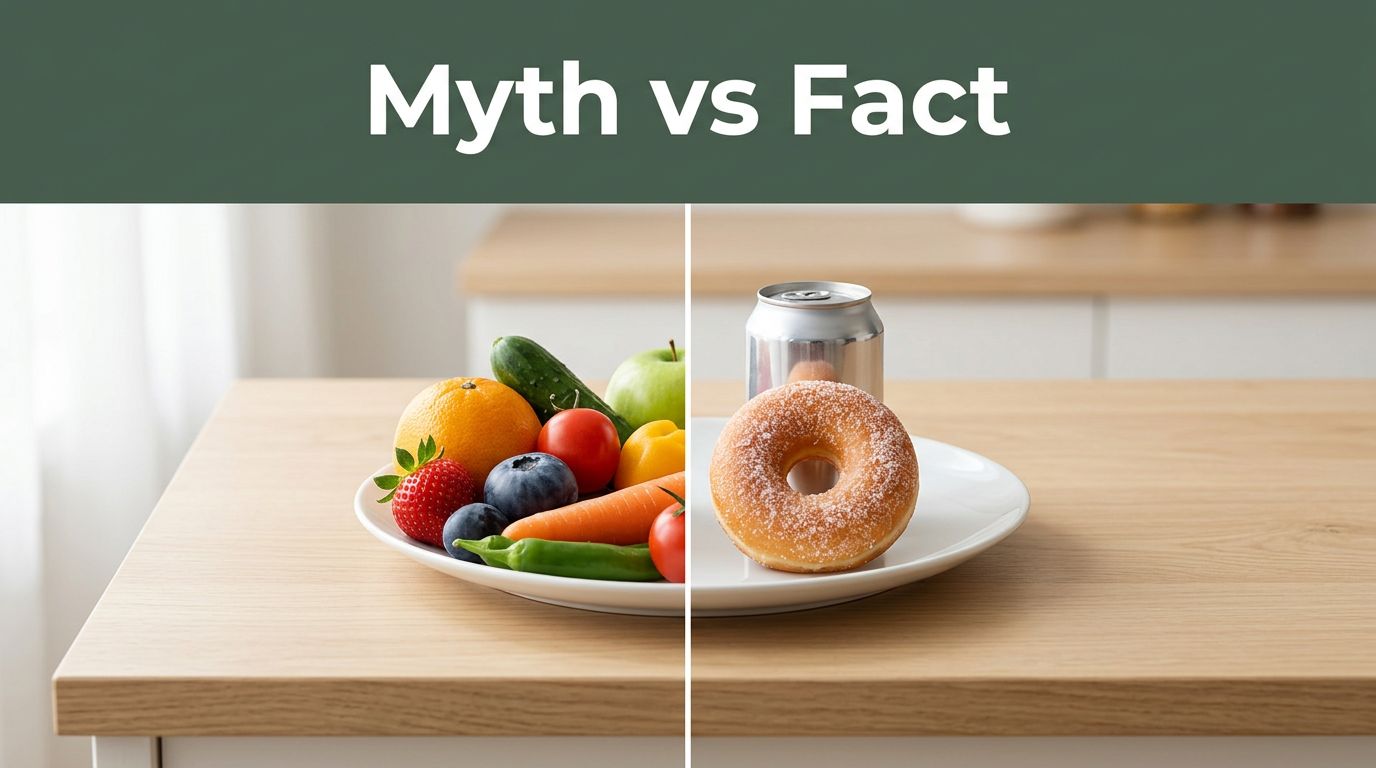
Confusing nutrition advice can derail your goals fast, because one “expert tip” says one thing while another post says the opposite. You end up second-guessing meals, then quitting when progress stalls. Myths spread quickly on social media because they’re simple, dramatic, and easy to share, even when they don’t match what major health groups teach.
Science also moves forward, and the best guidance today focuses on patterns that support your body over time. That means separating nutrition myths from facts so you can make choices that actually affect energy, weight, and everyday health. In the sections ahead, you’ll see common claims that keep popping up, plus the real take from trusted medical sources like Mayo Clinic and Cleveland Clinic, along with up-to-date context from research and dietitians.
Keep reading to sort what’s true from what’s trending, and walk away with clearer rules you can use right away.
Every day nutrition myths many still believe are sneaky
Most nutrition myths feel true because they match how humans think. If one food feels “bad,” we assume all carbs must be bad too. If a label says “low-fat,” we assume it must be healthy. After all, doesn’t the word sound safe?
The problem is that nutrition is usually about the full pattern. It also depends on food quality, portion size, and what you replace the myth-food with. Think of your diet like a budget. One line item matters, but the whole spending plan matters more.
Below are five stubborn myths people still repeat, plus the simpler reality behind each one.
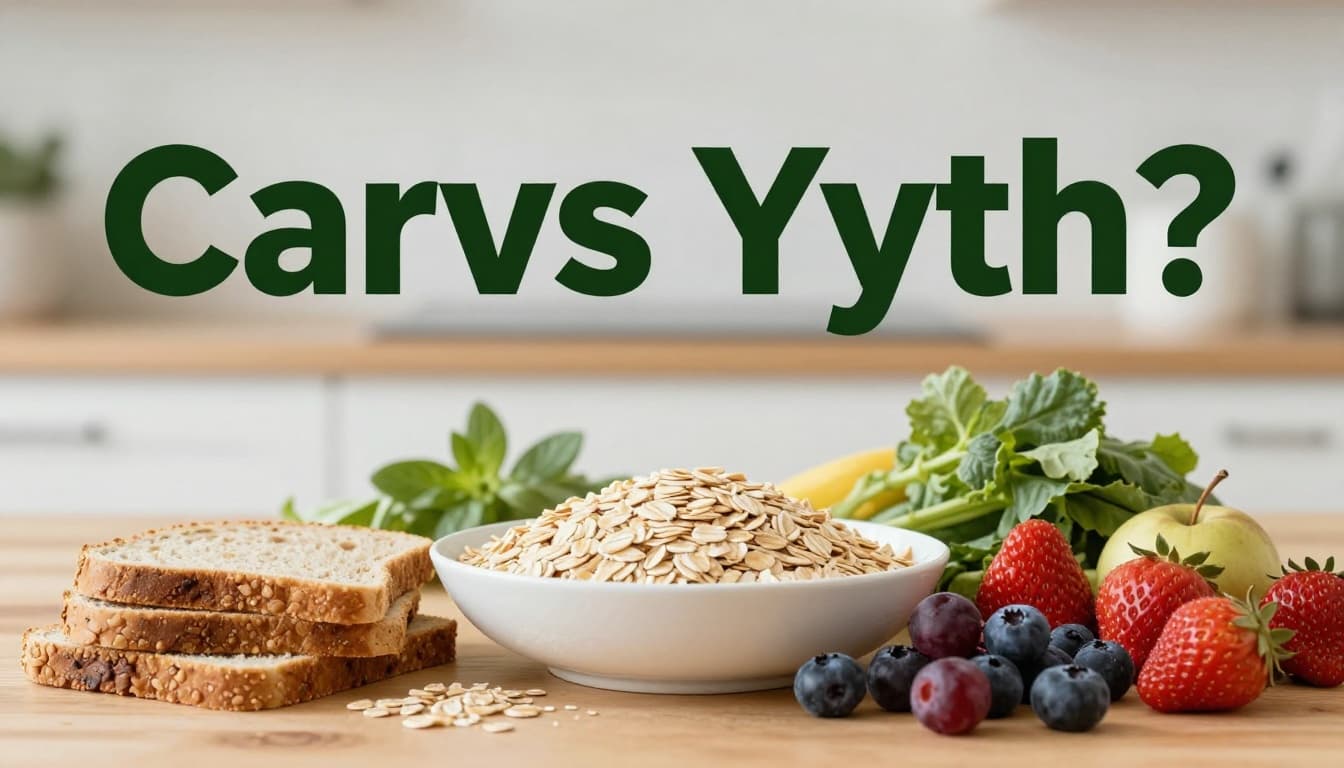
Do Carbs Really Make You Gain Weight?
Carbs do not automatically equal weight gain. Extra calories do. When you eat more energy than your body uses, weight can rise, no matter the macro. That said, not all carbs act the same in your body.
People lump together soda, candy, white bread, and whole grains. Then they blame “carbs” as if they were one ingredient. In truth, fiber-rich carbs like oats, beans, fruits, and whole grains slow digestion. As a result, you feel fuller longer. Also, B vitamins support energy use, and fiber supports heart health.
This is why many reputable sources focus on food patterns, not a single label. Mayo Clinic, for example, explains that the weight-loss conversation often comes down to overall intake, not carb fear, and it notes how carbs can fit into healthy plans when you choose the right types (Mayo Clinic Q and A: 10 nutrition myths debunked). You also see this idea echoed in broader weight-loss guidance, where the focus stays on diet quality and habits (Low-carb diet: Can it help you lose weight?).
Try this simple swap:
- Replace refined carbs (white bread, sugary snacks) with whole-food carbs (oats, brown rice, beans, fruit).
If you want a quick check, ask: “Does this food come with fiber?” When it does, you usually feel better and snack less.
Are Low-Fat Foods Always the Healthier Pick?
The label “low-fat” sounds reassuring. Many people treat it like a health pass. However, it can hide a trade-off, especially when the product replaces fat with sugar or refined carbs.
Here’s the basic pattern: fat helps food taste good and stay satisfying. So when a company cuts fat, it often has to adjust flavor and texture. That change can mean more added sugar or more salt, and it can also mean fewer nutrients per bite. Meanwhile, your goal is usually better energy and steady appetite, not just fewer grams of fat.
Healthy fats also support your body in real ways. Unsaturated fats from foods like olive oil, nuts, and avocados help absorb fat-soluble vitamins. They also support cell function and can support heart health when your overall diet stays balanced. Mayo Clinic also stresses that fat quality matters, and not all fat is the same (Is fat in your diet good or bad? Settling the debate). That same “quality over labels” theme shows up across many nutrition myth breakdowns, where the focus stays on the full dietary picture (Mayo Clinic Q and A: 10 nutrition myths debunked).
So why does the myth persist? A lot of it traces back to older diet trends. For years, “low-fat” marketing told people to swap fat for “safe” options. In practice, many of those swaps made people hungrier.
Use this quick label skill:
- Read the ingredient list for added sugars.
- Compare fiber and protein to the regular version.
- If it’s low-fat but high in sugar, it’s not automatically a win.
Bottom line, choose foods that feel filling and nutrient-dense, not just foods that have fewer fat grams.

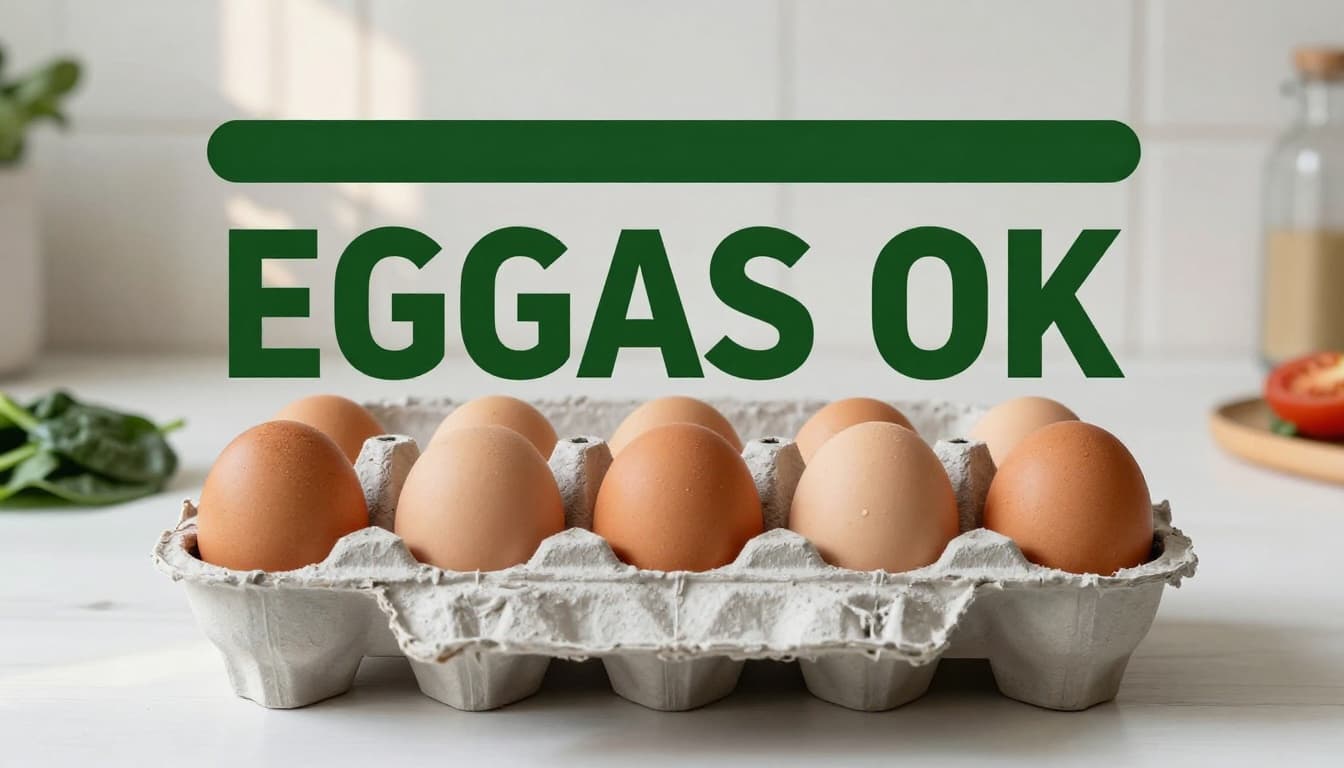
Will Eating Eggs Harm Your Heart with Cholesterol?
This myth often grabs attention because eggs are naturally high in cholesterol. People then assume that eating cholesterol from eggs will directly wreck blood lipids. The reality is more nuanced.
For many people, eating eggs does not spike blood cholesterol levels the way saturated fat-heavy foods can. Eggs also bring benefits. They supply protein, plus nutrients that support overall nutrition. In other words, eggs are not the villain people make them out to be.
Mayo Clinic explains that dietary cholesterol in eggs does not seem to raise blood cholesterol in the same way that trans fats and saturated fats do (Eggs: Are they good or bad for my cholesterol?). It also points out that some studies find links between egg intake and heart disease, but the bigger picture often includes overall diet patterns and how people eat eggs alongside other foods.
A helpful way to think about it: your body has a “cholesterol factory.” Your liver makes most of the cholesterol you carry. So food cholesterol is only part of the story. What usually shifts risk more is overall saturated fat intake, especially when diets are heavy on processed foods.
If you want a practical approach, keep it simple:
- If you’re healthy and your clinician says it fits your plan, many people can eat 1 to 2 eggs daily.
- Pair eggs with vegetables and whole grains for better balance.
One easy dinner idea: scrambled eggs with sautéed spinach, tomatoes, and a side of fruit or beans. That way, you’re not just eating eggs, you’re building a meal.
Do You Need to Eat Perfectly Every Day to Be Healthy?
No, you do not need perfect meals every day. In fact, perfection is usually the enemy. It sets an all-or-nothing standard that makes normal life feel like failure.
Most people repeat the myth because strict rules sound clear. They also create a sense of control. Still, long-term health depends on what you do most often, not what you do once.
Research and clinical guidance keep pointing back to this idea: choose an overall pattern you can stick with. Then make small improvements. A “mostly solid” week beats a “perfect” day followed by a crash.
If you want an example of a more realistic approach, think of evidence-based dietary patterns like Mediterranean and DASH styles. They focus on whole foods and routine habits, not daily perfection. Mayo Clinic Diet also frames these plans as sustainable ways to support heart health over time (Comparing DASH and Mediterranean Diets: Benefits, Differences & Ideal Fit).
Also, myths about food rules often ignore how hard it is to live that way. Your schedule, stress, and budget all matter. In that sense, flexible eating is like wearing shoes that fit your walk, not someone else’s.
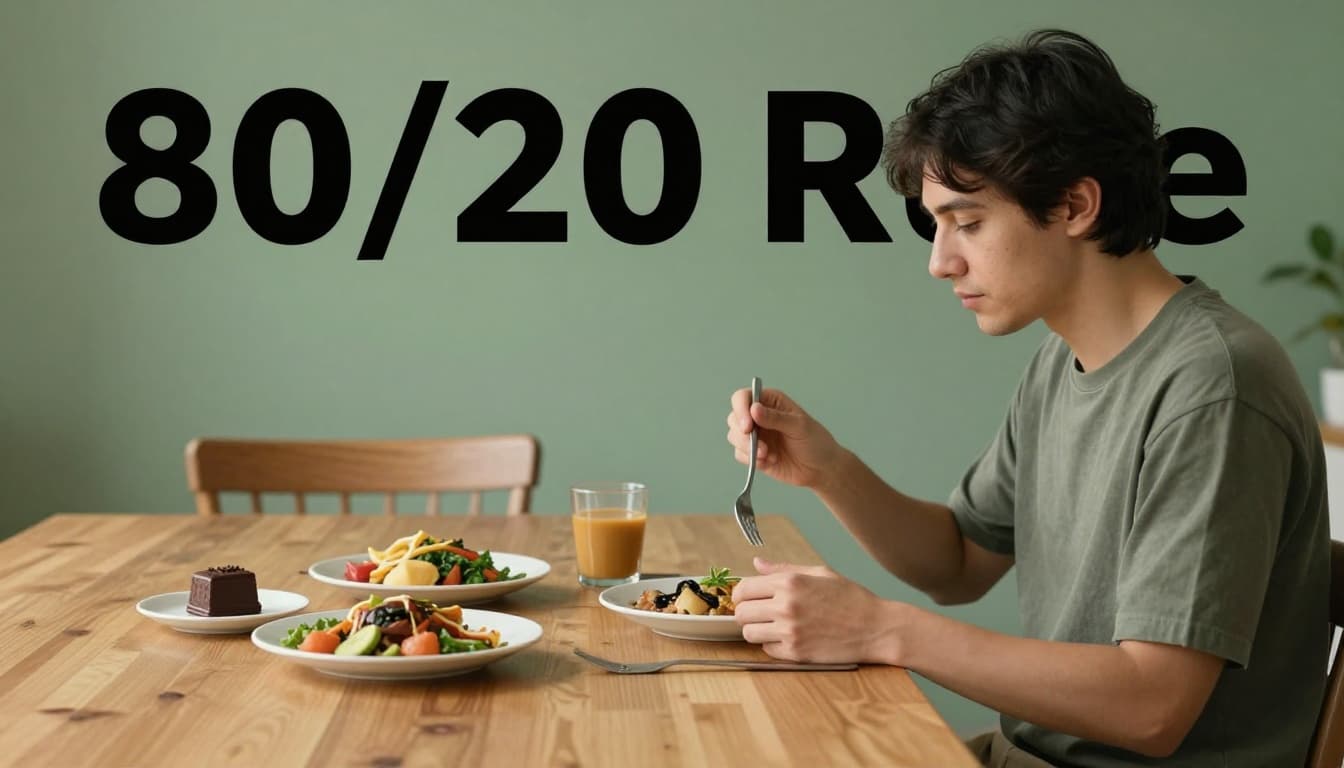
Here’s a simple rule many people can actually live by:
- Aim for an 80/20 rhythm: 80% nutrient-dense meals, 20% treats you enjoy.
That could mean enjoying pizza sometimes, but making sure your other meals include vegetables, protein, and fiber. It could also mean having dessert, but skipping sugary drinks most days. Consistency beats intensity.
Are Seed Oils Actually Bad for Your Health?
Seed oils get blamed online, but “seed oil equals poison” is not supported by a fair read of nutrition evidence. Seed oils are not automatically bad. They are made from plants and contain mainly unsaturated fats. Your body needs essential fatty acids, and certain oils can help supply them.
Why does this myth spread so fast? Social media uses scary stories. Someone shows a chart, then claims a health scare. In reality, diet science usually looks at overall patterns and long-term outcomes.
When researchers and major medical publishers discuss seed oils, the tone stays more balanced. Mayo Clinic Press, for example, reviews pros and cons and explains how to fit seed oils into your eating plan instead of panicking (The pros and cons of seed oils, and how to incorporate them in your diet). It also offers a “know the facts” approach that focuses on choosing oils wisely and building a mostly whole-food diet (Seed oils: Know the facts).
Still, context matters. Seed oils are one tool in your kitchen. They work best when your overall diet already has:
- fruits and vegetables
- whole grains and beans
- nuts and seeds
- enough protein for steady energy
You do not need to pour oil over everything. Moderation is practical. Also, cooking matters. For high-heat cooking, some people prefer oils based on their smoke point, but the bigger picture is your weekly pattern.
Try this simple habit:
- Use seed oils in moderation, and let whole foods do most of the work.
Bottom line, you don’t need to fear seed oils. You need a diet that supports your body most days. {“function”:”generateImage”,”arguments”:{“sectionTitle”:”Are All Ultra-Processed Foods Unhealthy?”,”imageIntent”:”Show a realistic grocery shelf scene contrasting ultra-processed packages with whole foods, helping readers understand that processing varies.”,”prompt”:”Editorial food photo, grocery store aisle with a mix of whole foods (vegetables, beans, whole grains) and some packaged items on shelves, natural lighting, shallow depth of field, bold branded editorial style with consistent muted dark-green band near the top but no readable text, one clear focal subject, no logos, no watermarks, production-like, no text, no icons”}} {“function”:”generateImage”,”arguments”:{“sectionTitle”:”Should You Go Gluten-Free to Lose Weight or Boost Health?”,”imageIntent”:”Depict gluten-free foods without implying they are automatically healthier, like a kitchen counter with gluten-free label-like packaging blurred, and whole grains nearby.”,”prompt”:”Editorial lifestyle photo, kitchen counter with a bowl of naturally gluten-free foods (rice, fruit, nuts) and a small pile of whole grains (oats or barley) in soft focus, warm daylight, bold branded editorial style with muted dark-green band near the top but no readable text, one focal subject below, no readable text, no logos, no watermarks”}} {“function”:”generateImage”,”arguments”:{“sectionTitle”:”Can You Get Enough Protein on Plants Alone?”,”imageIntent”:”Show a simple plant-based meal emphasizing beans, lentils, tofu, and nuts to make protein feel doable.”,”prompt”:”Editorial food photography, close-up of a plant-based bowl with lentils, chickpeas, tofu cubes, and nuts, on a wooden table, bright natural light, bold branded editorial style with muted dark-green band near the top but no readable text, one focal subject below, no logos, no watermarks, no text”}} {“function”:”generateImage”,”arguments”:{“sectionTitle”:”Is Coconut Oil a Superfood Fat?”,”imageIntent”:”Show coconut oil compared with olive oil, emphasizing that coconut oil is high in saturated fat.”,”prompt”:”Editorial kitchen scene, coconut oil jar and olive oil bottle on a countertop with a skillet in background, soft shadows, natural lighting, bold branded editorial style with muted dark-green band near the top but no readable text, one clear focal subject below, no logos, no watermarks, no text”}} {“function”:”generateImage”,”arguments”:{“sectionTitle”:”Must You Avoid All Fats to Lose Weight?”,”imageIntent”:”Illustrate balanced fats in a diet: nuts, avocado, olive oil dressing, not zero fat.”,”prompt”:”Editorial food still life, small plate with nuts, avocado slices, and a drizzle of olive oil, plus a simple salad bowl behind it, clean background, natural daylight, bold branded editorial style with muted dark-green band near the top but no readable text, one focal subject below, no logos, no watermarks, no text”}}]}## More Nutrition Myths Busted for Smarter Choices
Nutrition myths don’t just confuse you, they can steer your grocery cart, your meal plan, and even your mood. The trick is spotting the claim, then checking the real goal: better choices you can repeat. Let’s bust five common myths so you can decide with confidence.
Are All Ultra-Processed Foods Unhealthy?
Myth: All ultra-processed foods are bad.
Truth: It’s not that simple.
First, there is still no firm, one-size definition for “ultra-processed” that everyone uses the same way. The FDA has been working on how to define and categorize these foods, so the label can feel tidy even when the science is still settling. Processing also exists on a spectrum. Some heavily processed foods can still contribute calories, protein, or certain nutrients, especially when they replace less nutrient-dense options. Meanwhile, many ultra-processed items are linked to higher intakes of added sugar, sodium, and unhealthy fat, which can harm health when they dominate your diet.
So what should you do when you see the word “ultra-processed”? Don’t treat it like a stop sign. Instead, treat it like a warning light.
Here’s a practical approach:
- Check the ingredient list, not just the front label.
- Ask, “Is this mostly added sugar, refined starch, or unhealthy fats?”
- If you eat it, pair it with fiber-rich foods like beans, fruit, and vegetables.
For a clear explanation of what ultra-processed foods really mean, see Cleveland Clinic’s guide to ultra-processed foods.
Should You Go Gluten-Free to Lose Weight or Boost Health?
Myth: Going gluten-free helps you lose weight and boosts health for everyone.
Truth: Only certain people benefit.
Most people who avoid gluten do it for the wrong reason. A gluten-free diet is essential for people with celiac disease. It can also help some people with non-celiac gluten sensitivity. If you don’t have one of those conditions, going gluten-free often does not improve health on its own.
Why does gluten-free sound so powerful online? For some people, it cuts out common foods they overeat, like pizza crusts and pasta. That change can reduce calories. However, the results often come from the overall diet shift, not gluten being the magic ingredient.
Also, gluten-free swaps can backfire. Many gluten-free products use starches that lack fiber. If you replace whole grains with gluten-free versions that are similar in calories but lower in fiber, you may feel hungrier sooner.
So, should you go gluten-free? If you have symptoms or a diagnosis, sure. If you don’t, start with whole grains instead.
A trusted real-world breakdown is in Cleveland Clinic’s article on gluten-free and weight loss.
Quick tip: stick to whole grains first (like oats, brown rice, and whole wheat if tolerated). Then only narrow your diet if your clinician says you should.
Can You Get Enough Protein on Plants Alone?
Myth: Plant-based diets can’t give you enough protein.
Truth: They can, as long as you eat variety.
Plants can absolutely supply protein. Beans, lentils, tofu, tempeh, edamame, and even many grains contribute amino acids. The key is that you need a mix across the day and the week. Think of protein like a toolkit. One tool helps, but you usually need more than one.
Some people hear “protein” and picture a single thing, like a steak. But plant proteins work differently. They often come with fiber too, which supports fullness and steady energy.
You also don’t need strict “protein combining” rules for every meal. In short, your body does well when your overall intake covers your needs.
Here are examples of easy plant protein meals:
- Lentil soup with a side of fruit
- Tofu stir-fry with vegetables and brown rice
- Black bean tacos with salsa, avocado, and a small portion of cheese (optional)
If you want a ready-to-use list of plant protein options, check Cleveland Clinic’s protein sources for vegetarians and vegans.
Bottom line: you can build muscle and maintain health with plants alone. Your job is variety, not magic.
Is Coconut Oil a Superfood Fat?
Myth: Coconut oil is a superfood that’s great for your heart.
Truth: It’s mostly saturated fat.
Coconut oil has gained fans for a simple reason: it tastes good and it’s easy to remember. However, it is high in saturated fat, and saturated fat tends to raise LDL (“bad”) cholesterol. In other words, coconut oil often behaves more like butter than like the heart-friendly oils people hope it is.
That’s why the “superfood” label doesn’t match the health outcomes most people care about. If you’re using coconut oil daily, you might be stacking saturated fat without noticing. Then, over time, that can increase heart risk in the wrong direction.
So what should you use instead? For most people, olive oil and other unsaturated oils tend to be smarter everyday picks. You can still use coconut oil in small amounts for flavor, especially when it helps you enjoy meals you’d otherwise skip.
If you want the direct medical take, read Coconut Oil: Not as Healthy as You Think.
Practical rule: treat coconut oil as a flavor tool, not a daily health upgrade.
Must You Avoid All Fats to Lose Weight?
Myth: Cut all fats if you want to lose weight.
Truth: You need fats, and zero-fat plans often fail.
Fats play real roles in your body. They help you absorb fat-soluble vitamins. They support hormones. They also help meals taste good and keep you full. When people cut all fats, they often replace that missing satisfaction with more refined carbs or sugar. Then hunger returns, cravings spike, and the plan falls apart.
Also, fat is not one thing. A handful of nuts, avocado, and olive oil in reasonable portions can fit into weight loss. The bigger driver is your overall pattern and calorie balance, not whether fat exists at all.
Instead of “no fat,” aim for right fats in the right amounts. That often looks like:
- A small portion of nuts or seeds
- A drizzle of olive oil
- Avocado in meals you already enjoy
For a clear explanation of why avoiding fats backfires, see Cleveland Clinic’s guidance on healthy fat choices.
If you want one simple habit: pick one meal each day that includes a healthy fat. Then build the rest of the plate around fiber and protein.
Conclusion
You do not need a perfect plan or a single “bad food” to get results. Across the myths we covered, the strongest theme is balance over extremes, and that means watching the full pattern you eat most days (not one label, one trend, or one ingredient).
In 2026, that message stays steady because major health sources keep pointing back to the same basics: choose whole foods when you can, fill up on fiber and protein, and treat treats as part of real life. When you swap instead of ban, you reduce confusion and you feel better, then you follow the plan longer.
Try one small next step today. Pick one myth you believed most, then test it with real meals for a week (for example, swap refined carbs for higher-fiber options, or compare added sugar in “low-fat” snacks). If you want more support, share your myth story in the comments, or talk with a dietitian so you can get advice that fits your goals. What’s the biggest nutrition myth you’ve changed your mind about?